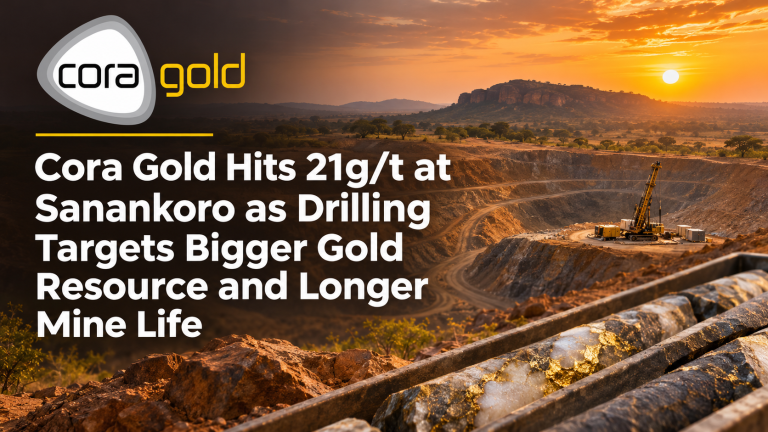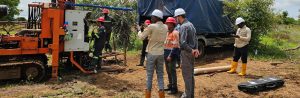
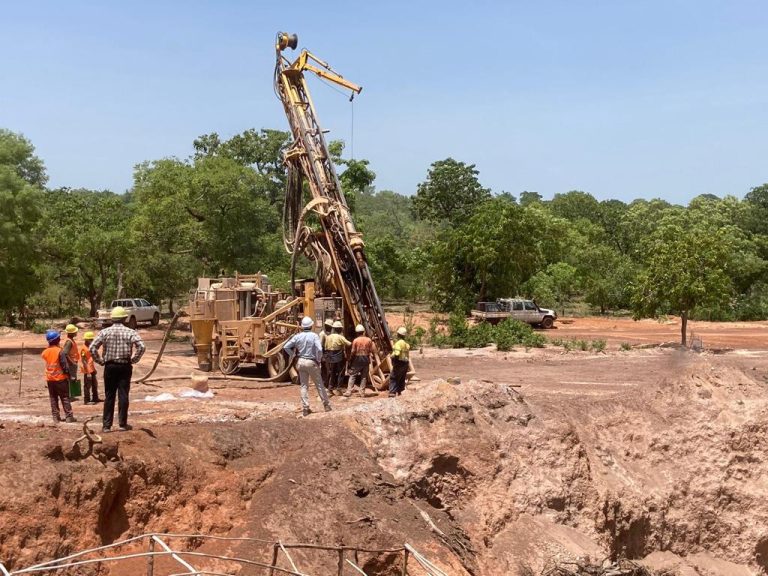
Coro Gold Limited (LON:CORA) Chief Executive Officer Bert Monro caught up with DirectorsTalk to discuss high-grade drilling results from the Zone A and Zone C deposits at the Sanankoro Gold Project in Mali, and the potential to expand the project’s existing mineral resource.
Q1: Bert, today you’ve reported high-grade drilling results at Zone A and Zone C deposits, the two most southerly deposits in Sanankoro. Could you just explain what these latest results mean for shareholders?
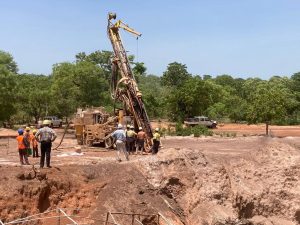
A1: Obviously, this is part of the ongoing drilling campaign we’ve got going on at Sanankoro at the moment. It’s nearly come to its conclusion. These results, as you said, Zone A and Zone C, they’re two of the most southerly deposits.
I think the important thing to highlight here is that the focus of this drilling was really about extending our existing MRE. These holes were all outside of the existing pit shells of our current MRE. So all of this, all of these intercepts should be hopefully adding more new resources to the company.
Q2: What were the key takeaways from Zone C?
A2: Zone C obviously had a couple of really good hits; 19 metres over three grams a tonne, 50 metres at 1.1 grams a tonne. Those are two great drill holes.
As I said, those are looking to expand the existing resource. The 19 metre at three grams a tonne intercept was from 123 metres. That’s looking to test, obviously, taking that pit deeper and that nice wide intercept, the 49 metres at 1.1 grams, it’s obviously outside of the existing pit shell, but from 87 metres.
So, all of them are looking to expand the resources. So, very positive.
Q3: What did the drilling show at Zone A?
A3: I think more of the same. The best intercept there is three metres at over 21 grams a tonne. There’s also a couple of nice hits at 13/14 metres at around a gram a tonne as well. So, again, really nice sort of consistent intervals outside of the existing MRE pit shell.
Obviously looking forward to hopefully adding more new resources to those deposits.
Q4: How does this fit into the wider programme and what comes next?
A4: We’re obviously looking to just finalise the drilling in the next few weeks, hopefully. We’re just doing the diamond holes, which we always planned to be done at the end of the programme. Once we’ve got all of the results in, we’ll then be looking to update our MRE.
There’s a bit of a lag in terms of getting assays back. So over the course of Q1, hopefully we’ll get all of the assays in and done and obviously then we can look to update our MRE after that. So, hopefully you’re forming part of, I guess, repositioning the deposit.
We’ve always said that we think it will grow significantly over time and hopefully this will be one of the steps to proving that.
Q5: Finally, how does this drilling sit alongside your development plans at Sanankoro?
A5: We’ve got the FEED ongoing at the moment, which is going really well. As I think everyone knows, or lots of people know, we’ve got a very positive DFS, which shows a 10-year reserve life. At the end of that reserve life, the ounces start to reduce slightly. Our view is that the mine life will go on significantly longer than 10 years.
The first step of growing your reserve is to grow your resource.
So, this is part of a two-pronged attack where we’re obviously looking to advance the project into construction as quickly as possible and be completely construction-ready post the completion of the FEED.
Combined with that, maintaining exploration drilling concurrently so that those resources can grow, which will obviously then lead into growth in reserves in due course as well.
So, all part of making sure the project’s always moving forward and looking to grow it.