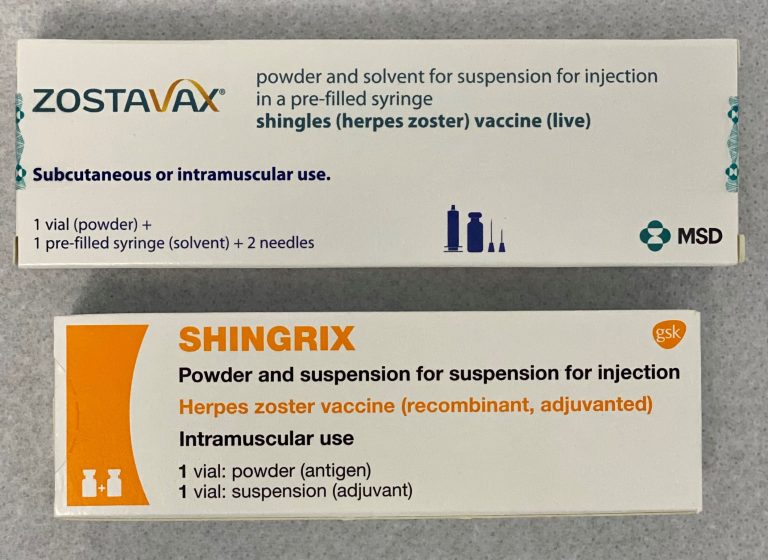
GSK plc (NYSE: GSK), a stalwart in the global healthcare sector, commands a market capitalization of $103.66 billion and stands as a key player in the drug manufacturing industry with its roots in the United Kingdom. With its extensive portfolio that spans specialty medicines, vaccines, and general medicines, GSK is strategically positioned to address a variety of healthcare needs worldwide.
Currently trading at $51.76, GSK’s stock has experienced a slight dip of 0.02%, yet it remains well within its 52-week range of $36.20 to $61.18. The stock’s performance and valuation metrics provide intriguing insights for investors considering an entry point into this healthcare juggernaut.
GSK’s forward P/E ratio of 10.03 suggests a potentially undervalued position compared to industry peers, offering investors a glimpse into its promising earnings outlook. However, the absence of trailing P/E, PEG, and other valuation metrics indicates a need for cautious optimism, requiring investors to delve deeper into qualitative aspects and future growth prospects.
Revenue growth stands at 1.50%, reflecting the company’s steady, albeit modest, progress. However, the standout figure is GSK’s robust return on equity (ROE) of 40.91%, which underscores the company’s efficiency in generating returns relative to shareholder equity. These figures, coupled with a free cash flow of over $3 billion, highlight GSK’s capability to reinvest in growth opportunities and sustain its dividend payout.
Speaking of dividends, GSK offers a compelling dividend yield of 3.47%, with a payout ratio of 46.54%. This attractive yield positions GSK as a potential income-generating asset for dividend-focused investors, promising a steady stream of returns even amidst fluctuating stock prices.
Analyst ratings for GSK are mixed, with 2 buy ratings, 5 hold ratings, and 1 sell rating. The target price range of $47.00 to $70.00, with an average target of $58.08, indicates a potential upside of 12.21%. This potential for growth, combined with the company’s strategic alliances with entities like CureVac and Engitix Ltd., further bolsters the investment thesis for those looking at long-term gains.
From a technical standpoint, GSK’s 50-day moving average of 51.46 and its 200-day moving average of 51.21 suggest a stable trading pattern, while the RSI of 59.24 indicates that the stock is approaching overbought territory but remains attractive for momentum investors. The MACD and signal line values show a positive trend, albeit cautious, for short-term traders.
In its rich history, GSK has evolved from GlaxoSmithKline to its current form, focusing on innovation in vaccines and specialty medicines. Strategic collaborations and a focus on unmet medical needs continue to drive GSK’s growth ambitions, making it an appealing proposition for investors keen on tapping into both stability and future growth potential within the healthcare sector.