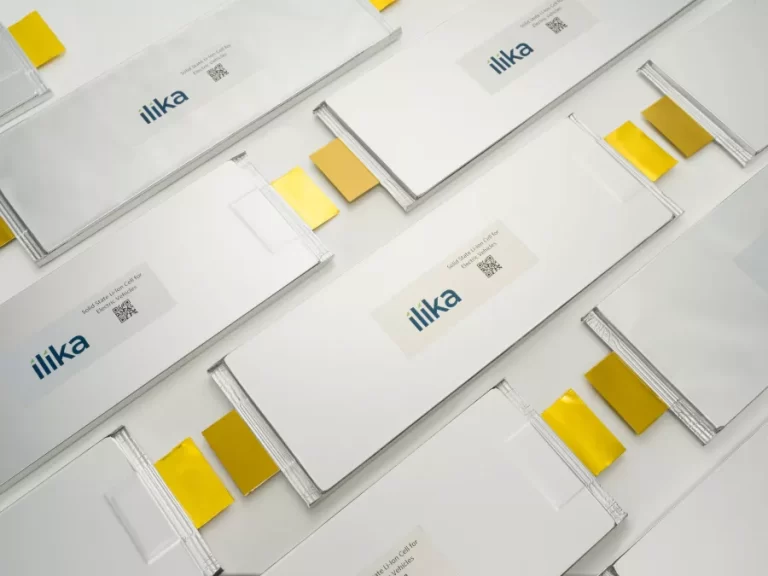

Europe faces a critical stage in solid-state battery development as manufacturers work to bring the technology closer to commercial production, according to an industry executive.
Solid-state batteries are being developed as an alternative to conventional lithium-ion batteries, with the potential to improve energy density, safety and charging performance. However, moving from laboratory research to large-scale manufacturing remains a significant challenge.
The technology replaces the liquid electrolyte used in conventional lithium-ion batteries with a solid material. This could enable changes in battery design and performance, but manufacturers must overcome technical and production challenges before solid-state batteries can be deployed at scale.
Europe’s position in battery development is also relevant to the automotive industry’s efforts to strengthen its domestic supply chain and compete with manufacturers in Asia. Progress will depend on investment in research, manufacturing capacity and the ability to produce batteries reliably at commercial volumes.
Automotive manufacturers and battery developers are continuing to assess the technology’s potential, but commercial deployment will depend on factors including production costs, durability, performance and manufacturing consistency.
The next phase of development will be important in determining how quickly solid-state batteries can move from pilot projects towards wider use in electric vehicles.
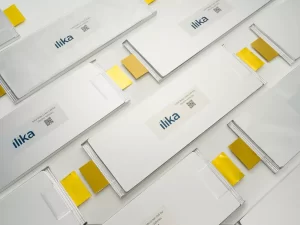
Ilika plc (LON:IKA) is a pioneer in solid state battery technology enabling solutions for applications in Industrial IoT, MedTech, Electric Vehicles and Consumer Electronics.