Dry electropolishing is gaining attention as manufacturers look for ways to improve metal surfaces while reducing the use of liquid chemicals and hazardous waste.
The process is similar in purpose to conventional electropolishing. Both methods remove microscopic amounts of metal from a component surface to reduce roughness, improve cleanliness and support corrosion resistance. The difference is in the electrolyte. Conventional electropolishing uses liquid acid solutions, while dry electropolishing uses conductive polymer media or solid electrolytes.
That distinction can reduce liquid chemical use and simplify waste handling. It can also support manufacturers seeking to lower operator exposure to acids and reduce the environmental impact of finishing processes.
However, dry electropolishing is not a direct replacement for conventional methods. Its suitability depends on factors such as component geometry, material, production volume, required finish and available equipment. The process remains more specialised, and its practical use can vary between applications.
Conventional electropolishing therefore remains important where established procedures, repeatability and compliance with demanding specifications matter. It continues to be used on complex and safety-critical stainless steel components in sectors including aerospace, medical manufacturing, food processing, energy and precision engineering.
Manufacturers need to choose the finishing method that best fits the component, rather than assuming that a newer process will deliver the best result in every case. That supports continued demand for proven electropolishing services while also creating room for newer technologies where they offer clear technical or environmental advantages.
Electropolishing performance depends heavily on the condition of the component before treatment. Oils, oxides and other contamination can interfere with the process and lead to inconsistent results.
Hardide addresses this through a broader range of surface treatment capabilities. Its wet treatment services include cleaning methods such as vapour degreasing and electrolytic alkaline cleaning, designed to prepare components before further finishing.
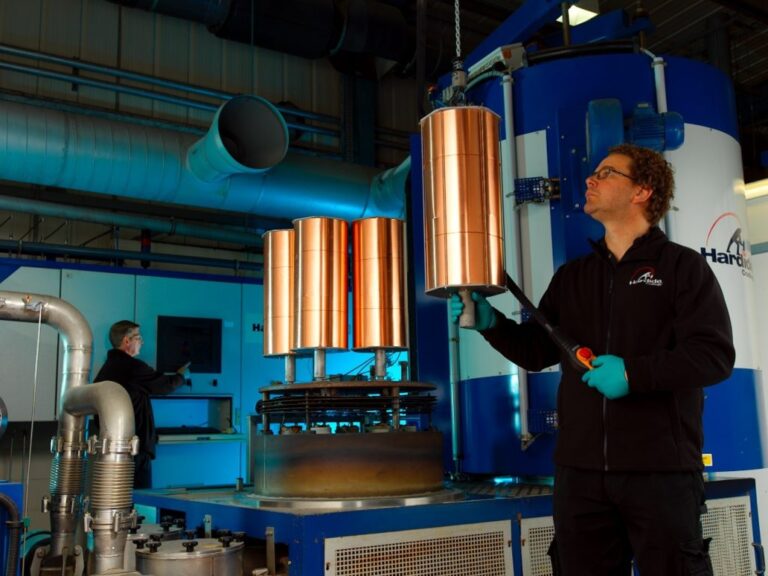
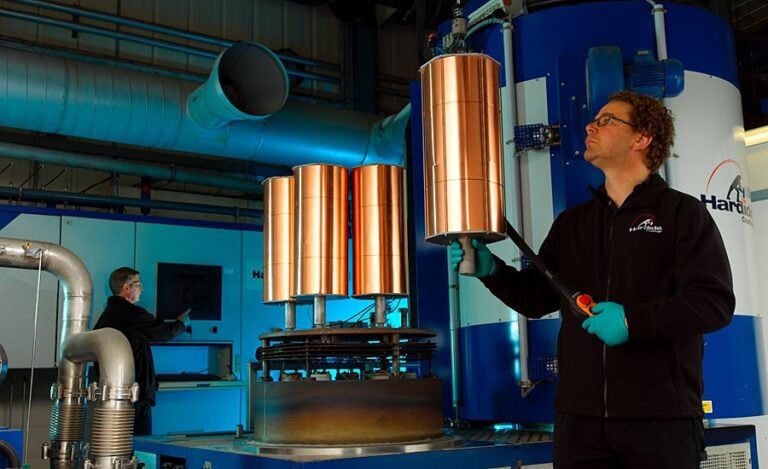
Hardide plc (LON:HDD) is a pioneer in advanced tungsten/tungsten carbide CVD coatings. They showcase unmatched capabilities to greatly extend the life of complex geometry components facing extreme wear, erosion and corrosion.