Global markets began the week on a firmer footing as Asian shares rebounded following last week’s technology-led sell-off. Easing concerns over artificial intelligence investment and Middle East tensions helped improve sentiment, although uncertainty remains around technology valuations and US interest rate expectations.
MSCI’s Asia-Pacific index outside Japan rose around 2%, recovering some of last week’s 4.6% decline. Japan’s Nikkei and Taiwan’s stock market also recorded gains, while US equity futures moved higher.
US markets also recovered, with the Nasdaq 100 and S&P 500 gaining as investors returned to technology shares. However, Nvidia remained under pressure, highlighting continued uncertainty surrounding the AI sector.
Falling oil prices provided additional support after comments from US President Donald Trump eased concerns about further military action against Iran. Lower oil prices helped reduce some inflationary pressure and supported the wider market recovery.
Currency markets remained focused on US interest rate expectations following stronger-than-expected employment data. The latest jobs figures have increased expectations of a Federal Reserve rate rise in December, supporting the US dollar against several major currencies.
Attention now turns to US inflation figures due on Tuesday, which could further influence expectations for monetary policy.
Technology earnings will also be closely watched this week, with Cisco Systems, Applied Materials and CoreWeave among the companies reporting. Their results and outlooks could provide further insight into demand for artificial intelligence infrastructure and the profitability of continued investment.
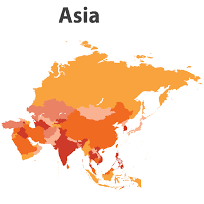
Fidelity Asian Values Plc (LON:FAS) provides shareholders with a differentiated equity exposure to Asian Markets. Asia is the world’s fastest-growing economic region and the trust looks to capitalise on this by finding good businesses, run by good people and buying them at a good price.