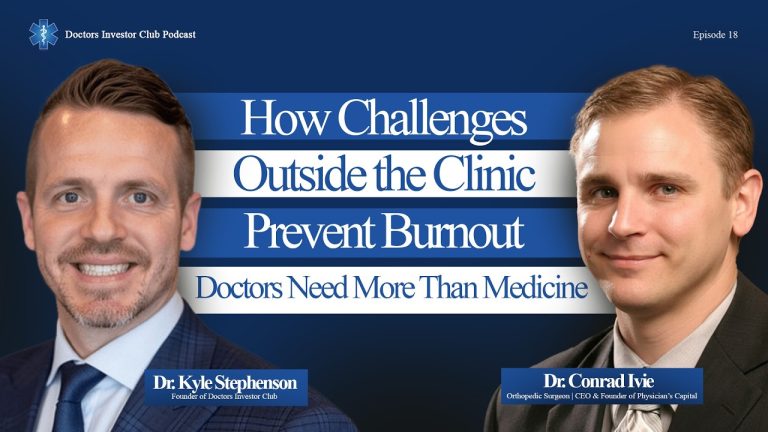
Physicians Capital Management Corp is sharpening its focus on physician-led outpatient infrastructure at a time when the U.S. healthcare system is undergoing a measurable structural shift. New data pointing to record levels of medical office building (MOB) transactions underscores the scale and durability of this transition, reinforcing the company’s strategic direction.
A recent industry report highlighted nearly 300 MOB deals across the top 50 U.S. metro areas in the fourth quarter of 2025, marking the highest transaction volume in more than three years. At the same time, outpatient facility occupancy has exceeded 92%, far outpacing traditional office real estate and signaling sustained demand for healthcare-focused assets.
“This validates everything we are building,” said Dr. Conrad Ivie, physician partner. “Outpatient care is more efficient, more scalable, and better for patients.”
Physicians Capital Management Corp has aligned its operating model with these dynamics, emphasizing physician ownership and direct participation in outpatient infrastructure. The company’s approach integrates acquisition and development of ambulatory surgery centers and medical office buildings while also creating liquidity pathways for physicians through scalable, public-market frameworks.
The model reflects a broader evolution in healthcare delivery. Historically, hospitals acted as the central hub for most medical services, but advances in technology, cost pressures, and patient preferences have steadily shifted procedures into outpatient settings.
“As outpatient real estate tightens, control becomes everything,” Dr. Ivie added. “Physicians who own and operate within this model will win. Those who don’t will be competing for space in a system they no longer control.”
The macroeconomic and demographic backdrop further strengthens this trajectory. An aging U.S. population is increasing demand for outpatient procedures, while health systems continue expanding beyond hospital campuses. At the same time, institutional capital and private equity are entering the space at scale, intensifying competition for high-quality locations and infrastructure.
Recent high-value MOB transactions and large-scale health system expansions illustrate how quickly the landscape is evolving. In many metropolitan areas, access, convenience, and integration with broader care networks are becoming decisive factors.
Within this environment, control over infrastructure, location, access, and patient flow, has become a defining competitive advantage. Physicians Capital Management Corp’s emphasis on physician ownership positions it directly within this shift, aligning clinical and financial incentives as outpatient care continues to expand.