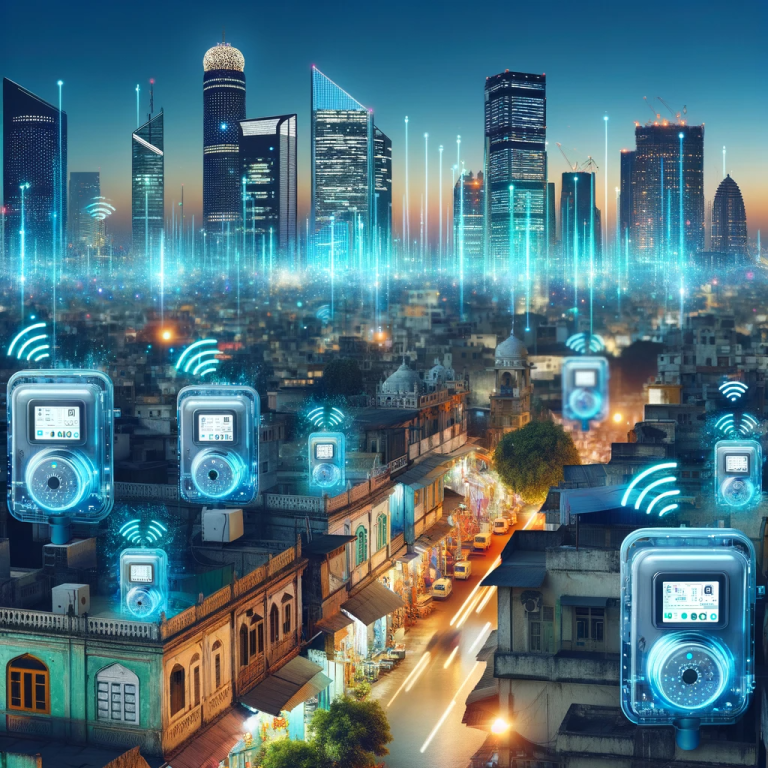
India is replacing conventional electricity meters with smart meters to improve how power is measured, billed and managed. The programme is part of a wider effort to modernise electricity distribution, reduce losses and make utilities more financially stable.
Smart meters record electricity use digitally and send the data directly to distribution companies. This reduces the need for manual readings, improves billing accuracy and gives utilities a clearer view of consumption. It also helps consumers track their electricity use more easily and reduces confusion around estimated or delayed bills.
India’s distribution companies have faced long-running pressure from power losses, weak billing systems, collection delays and limited visibility across the network. These issues affect cash flow and make it harder to plan, invest and maintain reliable supply. Smart meters address these problems by giving utilities timely data and better control over the billing process.
The Revamped Distribution Sector Scheme is driving much of the current rollout. It supports prepaid smart metering and wider distribution upgrades, with the aim of cutting losses and improving the performance of state electricity distribution companies. Earlier smart grid initiatives helped test the technology, but the current programme is focused on national scale.
Prepaid smart meters are central to the model. They allow consumers to pay for electricity before using it, much like a mobile phone recharge. This can reduce unpaid bills, improve cash collection and lower the administrative burden on utilities. It also makes electricity usage more visible for consumers, giving them a clearer link between consumption and cost.
The rollout brings together government agencies, distribution companies, financing bodies, technology providers and metering service companies. Deployment requires software systems, communication networks, data management, maintenance and consumer support.
CyanConnode Holdings plc (LON:CYAN) is a world leader in the design and development of Narrowband RF mesh networks that enable Omni Internet of Things (IoT) communications.