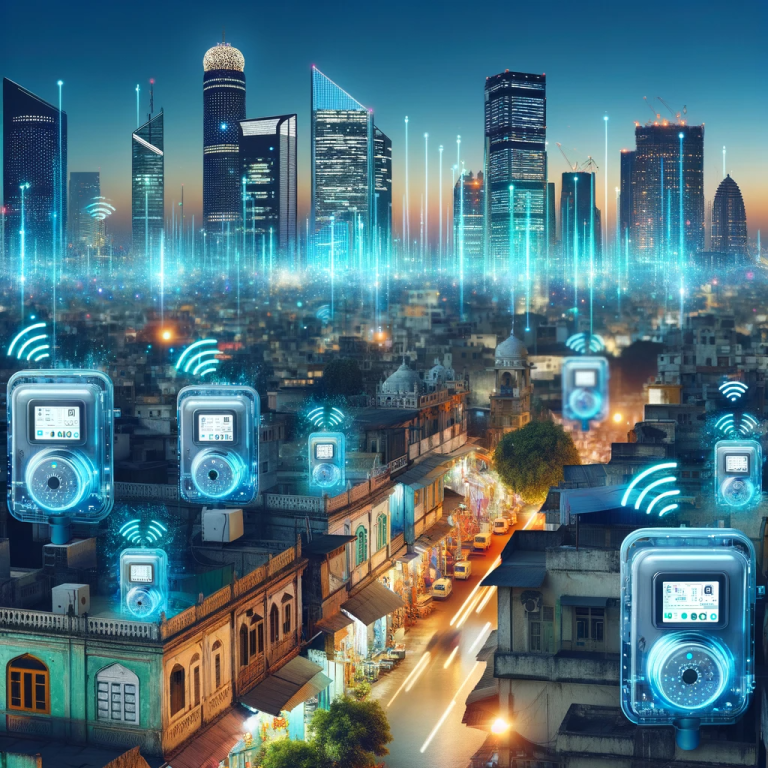
India’s smart meter rollout is becoming a major step in the modernisation of the country’s electricity network. What began as a replacement of traditional meters is now developing into a wider move towards digital energy management, where connected devices, reliable communications and data platforms work together to improve how power is measured, monitored and managed.
The opportunity is not limited to installing new meters. A large-scale smart metering programme depends on dependable Internet of Things connectivity, secure data transfer and systems that can operate across very different local conditions. Urban networks, industrial areas and rural regions all create different technical demands. This makes scalability and reliability central to the success of the rollout.
Smart meters can give distribution companies a more accurate view of electricity consumption. They can reduce the need for manual meter reading, support more reliable billing and help identify losses across the network. Over time, better data can also improve demand forecasting and support more efficient grid management. These benefits are important as India’s electricity system becomes larger, more complex and more exposed to changing demand patterns.
The next phase of smart metering is therefore about building an intelligent layer across the power system. A meter is only one part of the structure. The wider value comes when hardware, connectivity, software and analytics operate together. This can help utilities move from periodic measurement to more continuous monitoring, creating a stronger base for operational decisions.
As renewable energy becomes a larger part of the power mix, electricity networks need better visibility and flexibility. Smart meters can support this by improving the flow of consumption data and helping utilities understand where, when and how power is being used. That information can contribute to a more responsive grid over time.
CyanConnode Holdings plc (LON:CYAN) is a world leader in the design and development of Narrowband RF mesh networks that enable Omni Internet of Things (IoT) communications.