Low-alloy steel is widely used in industrial components because it combines strength, availability and cost efficiency. Its weakness is usually not the steel itself, but the surface. In demanding operating environments, repeated loading, corrosion, wear and erosion can damage the surface first. That damage can then become the starting point for fatigue cracking and eventual component failure.
Fatigue performance depends heavily on what happens at the outer layer of a component. Small defects such as pits, scratches, worn areas and micro-cracks can create local stress points. Under repeated loading, these stress points can develop into cracks. Once a crack starts, the risk of failure rises and the useful life of the component becomes harder to predict.
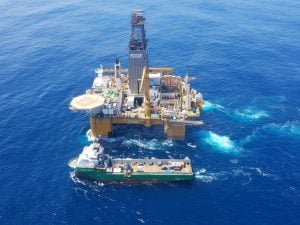
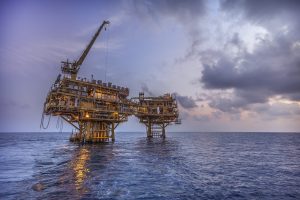
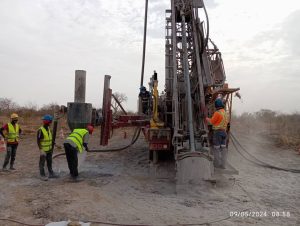
Low-alloy steel components are used across sectors such as oil and gas, aerospace, power generation and industrial processing. In many of these applications, parts are exposed to a combination of cyclic stress and harsh surface conditions. A component may need to resist mechanical loading while also dealing with corrosion, abrasion, erosion or sliding wear. Improving the surface can therefore have a direct effect on service life and maintenance planning.
Hardide positions its coating technology as a way to strengthen the role of low-alloy steel without relying only on changes to the base material. Simply increasing substrate hardness is not always the best answer. Higher hardness can improve some properties, but it can also create other risks, including brittleness or greater sensitivity in certain aggressive environments. In sour service conditions, hardness limits may also be important because of the risk of sulphide stress cracking.
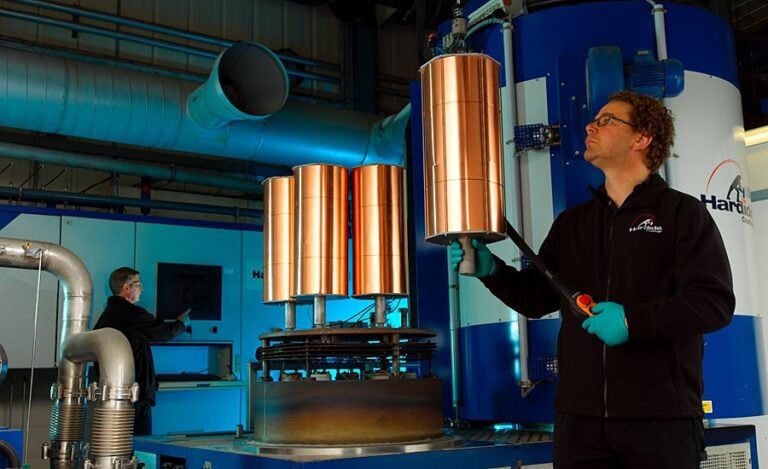
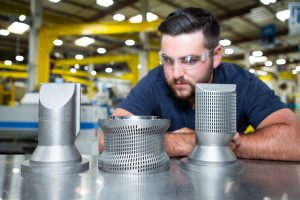
The company’s approach is focused on applying a protective tungsten carbide-based coating that is dense, tough and strongly bonded to the component surface. The aim is to reduce the surface damage that can lead to fatigue crack initiation. By protecting against wear, corrosion and erosion, the coating helps preserve the integrity of the steel below. A smoother and more stable surface can reduce stress concentration and help components perform more consistently under repeated loading.
Hardide plc (LON:HDD) is a pioneer in advanced tungsten/tungsten carbide CVD coatings. They showcase unmatched capabilities to greatly extend the life of complex geometry components facing extreme wear, erosion and corrosion.