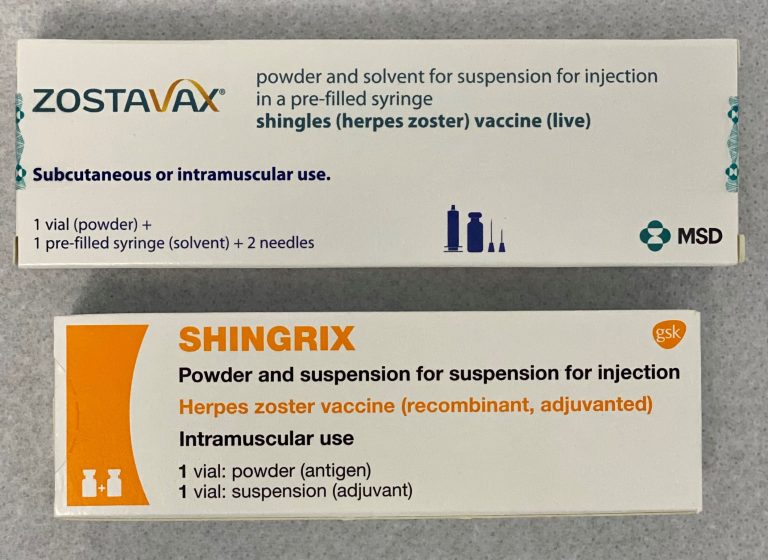
GSK plc (NYSE: GSK), a stalwart in the healthcare sector with a market capitalization of $102.84 billion, commands significant attention from investors worldwide. Known for its robust portfolio of vaccines, specialty, and general medicines, GSK’s recent financial performance and stock metrics suggest intriguing possibilities for individual investors.
Currently trading at $51.35, GSK’s stock has shown a modest price change of 0.61 (0.01%). Over the past 52 weeks, the stock has fluctuated between $36.75 and $61.18, indicating a broad range of investor sentiment and market conditions. The 50-day and 200-day moving averages, at $51.48 and $51.34 respectively, illustrate the stock’s relative stability over time.
A key highlight for potential investors is GSK’s forward P/E ratio of 9.95, which suggests the stock is reasonably priced relative to its earnings potential. However, the absence of trailing P/E and PEG ratios makes it challenging to assess past performance and growth prospects solely based on traditional valuation metrics.
GSK’s return on equity is an impressive 40.91%, reflecting efficient management and a strong capacity to generate profits from shareholders’ equity. Additionally, the company boasts a free cash flow of approximately $3.02 billion, which underscores its ability to fund operations, pay dividends, and reinvest in growth opportunities.
The dividend yield of 3.50%, with a payout ratio of 46.54%, further enhances GSK’s appeal to income-focused investors. This yield not only provides a steady income stream but also signals the company’s commitment to returning value to shareholders.
Analyst ratings for GSK reflect a mixed sentiment with 2 buy, 5 hold, and 1 sell recommendations. The target price range of $47.00 to $70.00, with an average target of $58.08, suggests a potential upside of 13.10%. This indicates that, despite some caution among analysts, there is room for appreciation in GSK’s stock price.
Technically, the Relative Strength Index (RSI) of 62.58 suggests the stock is approaching overbought territory, which may warrant careful monitoring by investors. Meanwhile, the MACD and Signal Line values of -0.28 and -0.06, respectively, indicate a negative momentum, albeit marginal.
GSK’s strategic collaborations, such as those with CureVac for mRNA vaccines and Engitix Ltd. for liver fibrosis therapies, highlight its ongoing commitment to innovation and expansion in critical healthcare areas. These partnerships could potentially unlock new revenue streams and bolster GSK’s market position in the long term.
As GSK continues to leverage its extensive R&D capabilities and global reach, investors should consider both the opportunities and risks associated with this healthcare behemoth. While the potential for a 13.10% upside is appealing, investors must weigh this against the inherent volatility and market dynamics influencing the pharmaceutical industry.
Overall, GSK presents a compelling case for those looking to invest in a company with a rich history, a diversified product portfolio, and a strategic vision for growth in the healthcare sector.