
Energy security, supply-chain resilience and rising electricity demand are changing the priorities of governments and the investment sector, creating new considerations for the development of the global power system.
Geopolitical tensions, disruption to energy supplies and the growing electricity requirements of artificial intelligence (AI), data centres and electric vehicles are increasing the focus on reliable domestic energy sources. The shift means that the energy transition is no longer driven solely by decarbonisation, with security of supply and affordability becoming equally relevant.
Roberta Caselli, Commodities Investment Strategist at Global X, believes energy markets are increasingly connecting geopolitical developments with inflation, industrial policy and longer-term investment themes.
The immediate vulnerability remains concentrated in oil and gas. Conflicts in the Middle East and potential disruption to important shipping routes can affect crude oil, refined products and liquefied natural gas supplies. These disruptions can feed into inflation expectations, influence central bank policy and affect financial market sentiment.
Even when supply concerns ease, the underlying exposure remains. Shipping routes, regional instability and concentrated supply infrastructure continue to create potential risks for energy markets.
Governments are responding by placing greater emphasis on energy sovereignty and reducing dependence on vulnerable supply routes. This is also strengthening the argument for developing domestic and diversified energy sources, with supply security becoming an additional consideration in long-term energy policy.
Nuclear power is one technology receiving renewed attention. Previous energy crises, including the oil shocks of the 1970s, contributed to changes in national energy strategies. More recently, geopolitical developments involving Russia and the Middle East have brought energy independence back into policy discussions.
The growing electricity requirements of AI, data centres and other digital infrastructure are adding to the case for nuclear generation. Nuclear power can provide consistent electricity output, making it relevant to countries seeking reliable supplies while reducing carbon emissions.
However, the investment opportunity extends beyond the construction and operation of reactors. The nuclear fuel supply chain includes uranium mining, milling, conversion, enrichment and fuel fabrication. Each stage is necessary to maintain the supply of fuel required by nuclear power stations.
Uranium supply is an area of particular interest. Historically, mined uranium production has remained below reactor requirements, with the difference covered through inventories and secondary sources. If demand from existing and new reactors increases without corresponding investment in additional production, supply deficits could widen.
Beyond nuclear power, the rebuilding of electricity infrastructure represents another significant part of the transition.
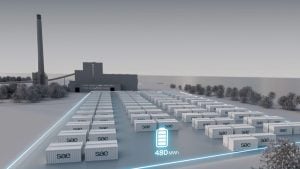
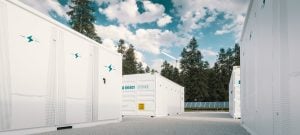
Increasing electricity generation alone will not be sufficient to meet future demand. Power must also be transported efficiently and made available when required. This creates a need for investment in transmission networks, battery storage and other infrastructure capable of balancing electricity supply and demand.
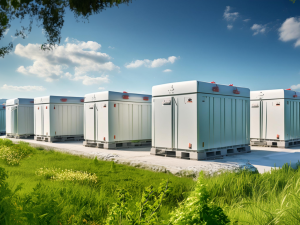
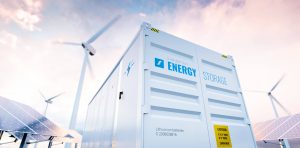
Renewable energy, particularly solar, can provide additional generation capacity, while nuclear power can contribute consistent baseload electricity. Battery storage can help address the intermittent nature of renewable generation by moving electricity produced during periods of higher output into periods of greater demand.
Grid infrastructure will also need to accommodate changing patterns of electricity consumption. Electric vehicles, buildings, industrial facilities and data centres are increasing the demands placed on existing networks.
The scale of potential storage investment is reflected in European and global targets. The European Union has outlined an ambition to reach 200GW of energy storage capacity by 2030, compared with 55GW in 2026. BloombergNEF estimates that global energy storage capacity could increase 17-fold by 2035 to reach 3.8TW.
These requirements extend the investment case beyond individual energy generation technologies. Battery manufacturers, storage infrastructure providers and companies involved in electricity transmission and grid development could all form part of the wider infrastructure investment theme.
The broader direction of the energy sector is increasingly shaped by three connected developments. Geopolitical disruption continues to expose the vulnerability of oil, gas and shipping networks, electricity demand is expected to increase as digital infrastructure and electrification expand, and nuclear power and renewables are likely to play complementary roles in the longer-term transition.
CMC Markets plc (LON:CMCX) is a UK-based financial services company that offers online trading in shares, spread betting, contracts for difference and foreign exchange across world markets.