Cora Gold has identified further gold mineralisation at its Sanankoro Gold Project in southern Mali, with greenfield drilling confirming a new 500-metre mineralised zone outside the existing resource estimate.
The latest results come from the Dakounkoura South target, located approximately 1km north of the Zone B North deposit. The area had seen limited previous drilling, making the results an additional step in assessing the wider exploration potential of the project.
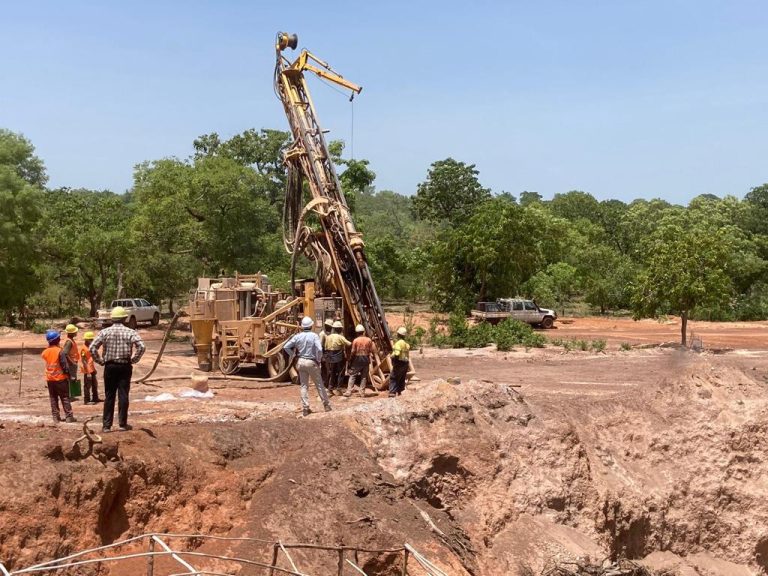
Four reverse circulation drill holes intersected gold mineralisation, with the best results including 16 metres at 0.85 grams per tonne (g/t) gold from 20 metres, 11 metres at 0.55 g/t gold from 66 metres, 35 metres at 0.40 g/t gold from five metres and 28 metres at 0.27 g/t gold from 51 metres.
All four intercepts were outside the existing mineral resource estimate, extending the company’s understanding of mineralisation along the Sanankoro structure. The results also confirmed multiple mineralised zones within the target area.
The combined strike length of Dakounkoura and Dakounkoura South is now approximately 1.2km, extending to a depth of 120 metres. The wider Sanankoro structure has a drill-defined strike extent of more than 8km and remains open in all directions.
The company also reported that at least two separate mineralised zones have been identified at Dakounkoura South, with further drilling required to establish their full extent and determine whether they can support a future mineral resource estimate.
The latest results build on an earlier drill hole at the target, which intersected 25 metres at 0.94 g/t gold. The combination of previous and recent results provides further information for planning additional exploration work across the area.
Cora’s 2026 drilling programme is designed to test extensions to existing deposits and explore new targets close to the proposed processing plant. The wider objective is to expand the current JORC-compliant mineral resource estimate of 1.044 million ounces at 1.04 g/t gold and potentially extend the 10.2-year mine life outlined in the 2025 definitive feasibility study.