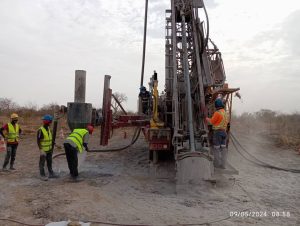
BP PLC (BP.L), a stalwart in the integrated oil and gas sector, commands attention with its intriguing financial dynamics and strategic positioning. Headquartered in London, BP operates globally across multiple segments, including Gas & Low Carbon Energy and Oil Production & Operations, while also expanding its footprint in renewable energy sectors like solar, wind, and hydrogen. This diverse portfolio places BP at the crossroads of traditional energy and future-forward sustainability initiatives.
Currently priced at 498.9 GBp, BP’s stock has reached the upper limit of its 52-week range (331.70 – 498.90), reflecting a notable appreciation driven by consistent revenue growth of 6.50%. However, investors must navigate a complex landscape of valuation metrics that present both opportunities and challenges.
A peculiar aspect of BP’s financial profile is its Forward P/E ratio of 994.32, a figure that might raise eyebrows among investors accustomed to more conventional valuation metrics. The absence of a Trailing P/E ratio, coupled with a Price/Book and Price/Sales ratio labeled as N/A, further complicates the traditional valuation narrative. These anomalies could be attributed to BP’s strategic reinvestments and its aggressive push towards sustainable energy, which may not yet fully reflect in its earnings.
Despite these valuation oddities, BP offers a compelling dividend yield of 4.90%, a significant draw for income-focused investors. However, this comes with a staggering payout ratio of 9,514.03%, indicating that the dividends exceed net income, perhaps financed through free cash flow or debt, raising sustainability concerns over the long term.
Analyst sentiment towards BP reveals a cautious optimism. With 5 buy ratings, 13 hold ratings, and 2 sell ratings, the consensus underscores a balanced outlook. The average target price of 489.19 suggests a potential downside of -1.95% from current levels, hinting at limited short-term capital appreciation potential. However, the broad target price range (380.32 – 606.48) indicates diverse opinions on BP’s future trajectory.
Technical indicators provide additional context: BP’s 50-day and 200-day moving averages (455.61 and 427.01, respectively) signal a bullish trend, supported by an RSI of 61.85, which sits comfortably below the overbought threshold. The MACD value of 9.59 compared to the signal line at 7.89 further suggests positive momentum.
As BP navigates the dual imperatives of traditional energy production and renewable expansion, its investment narrative remains multifaceted. For investors, BP presents a blend of robust income through dividends and the potential for long-term growth as it aligns more closely with sustainable energy trends. Balancing the immediate financial complexities with future opportunities will be key for investors considering BP as part of their portfolio strategy.