Bluefield Solar Income Fund Ltd. (LSE: BSIF.L), a prominent player in the asset management industry focused on solar energy investments across the United Kingdom, presents a unique case for investors seeking high dividend yields amidst an otherwise steady stock performance. With a market capitalization of $545.9 million, the fund is a notable entity within the financial services sector.
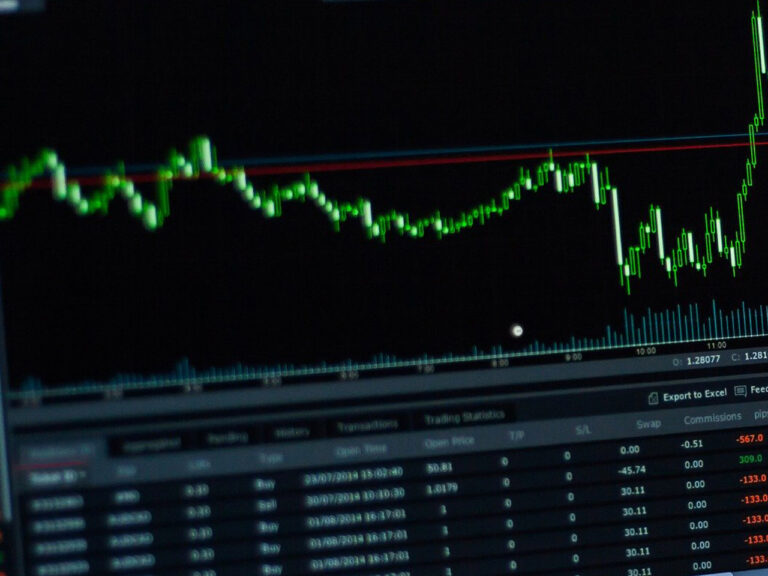
Trading at 92.2 GBp, Bluefield Solar’s stock price has seen no movement over its 52-week range, reflecting stability but also raising questions about growth potential. This lack of price fluctuation is mirrored in its technical indicators, where both the 50-day and 200-day moving averages stand at 92.20, and its RSI is at 0.00, indicating a neutral market stance.
One of the standout features of Bluefield Solar is its impressive dividend yield of 9.76%, which is significantly attractive for income-focused investors. However, the high payout ratio of 401.87% suggests that the dividends are being maintained at a potentially unsustainable level, possibly indicating that the company is paying out more than it earns.
The fund’s current financial metrics paint a challenging picture. With an EPS of -0.09 and a return on equity of -7.99%, Bluefield Solar is operating at a loss, which could be concerning for potential investors. Additionally, the company’s free cash flow stands at a negative $34,258,376, raising further questions about its financial health and ability to sustain dividend payments in the long term.
Despite these financial challenges, the company has not received any “Sell” ratings from analysts, with the consensus being “Hold.” This suggests a cautious optimism or perhaps a wait-and-see approach from the analyst community. The average target price is set at 92.00, with a potential downside of -0.22%, indicating limited expected movement in the stock price.
For investors, Bluefield Solar represents a mixed bag. The high dividend yield is undeniably attractive but must be weighed against the backdrop of negative earnings and cash flow. The fund’s strategic focus on long-life solar photovoltaic energy infrastructure remains a promising sector, given the global shift towards renewable energy. However, the current financial metrics suggest that Bluefield Solar may need to realign its strategies to achieve a more sustainable financial footing.
Individual investors considering Bluefield Solar should carefully assess their risk tolerance, particularly in light of the company’s current financial performance and dividend sustainability. As the energy sector evolves, Bluefield Solar’s ability to adapt and manage its investment portfolio will be critical in determining its future market position and potential for growth.