Vanadium is beginning to attract broader strategic interest as energy markets put greater emphasis on reliability, storage duration and grid resilience. For many years, the metal’s role was understood mainly through its use in steel, where it improves strength and durability. That remains important, but the investment relevance is widening. The more notable shift is that vanadium is now being discussed in connection with large-scale energy storage, particularly where power systems need to balance variable renewable generation over longer periods.
In earlier phases of the energy transition, investor attention often focused on technologies suited to shorter-duration applications or portable devices. Vanadium’s appeal is different. Its emerging role is tied to stationary battery systems designed to support wind and solar generation by storing excess electricity and releasing it when supply falls. Instead of being seen only as an industrial input with cyclical exposure, it can also be considered through the lens of energy infrastructure and the build-out of more flexible power networks.
Much of that relevance comes from vanadium redox flow batteries. These systems use liquid electrolyte stored in tanks, which allows energy capacity to be scaled by increasing tank size rather than redesigning the battery itself. Because the electrolyte is water-based and the energy-storing medium can be reused, the technology is positioned as a practical option for applications where fire risk, asset longevity and recyclability all carry weight.
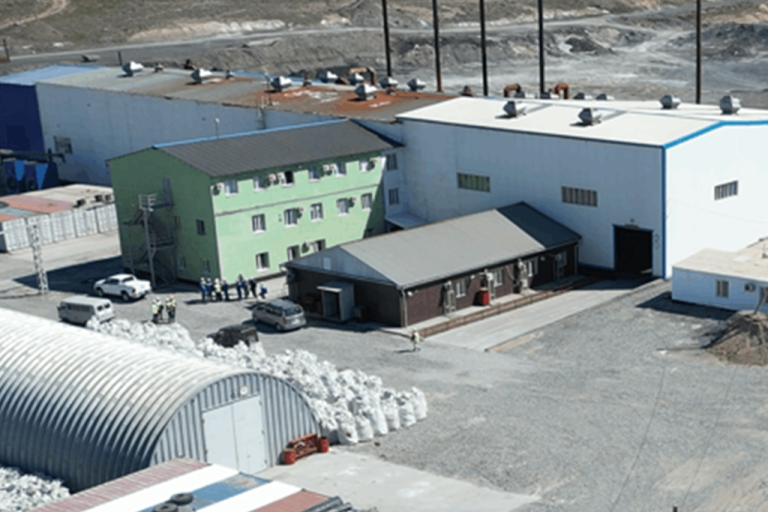
Ferro-Alloy Resources Ltd (LON:FAR) is developing the giant Balasausqandiq vanadium deposit in Kyzylordinskaya oblast of southern Kazakhstan. The ore at this deposit is unlike that of nearly all other primary vanadium deposits and is capable of being treated by a much lower cost process.