Vanadium is a metal used mainly to strengthen steel. It is identified by the chemical symbol V and is usually produced as a by-product of iron ore processing, steel production or industrial residue treatment. Some deposits are also developed specifically for their vanadium content.
The main commercial products are vanadium pentoxide and ferrovanadium. Vanadium pentoxide is used in steel alloys, chemicals and battery electrolytes. Ferrovanadium is added directly to steel.
Small amounts of vanadium can significantly improve steel strength, hardness, heat resistance and durability. This allows steelmakers to produce stronger material without adding excessive weight. As a result, vanadium is used in construction steel, bridges, pipelines, railways, vehicles, tools and heavy machinery.
Steelmaking accounts for the large majority of global vanadium demand. The market is closely tied to construction, infrastructure spending and industrial output.
Vanadium also has a growing role in energy storage through vanadium redox flow batteries. These batteries store electricity in liquid electrolyte held in external tanks. They are designed for large, stationary projects rather than electric vehicles or portable electronics.
Vanadium flow batteries can support electricity grids that need to store renewable power for several hours. Their main strengths are long operating life, low capacity loss and non-flammable electrolyte. They can also be scaled by increasing the size of the electrolyte tanks.
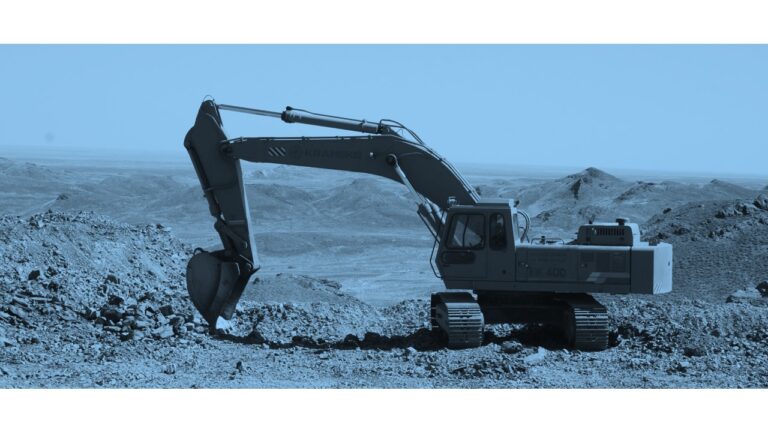
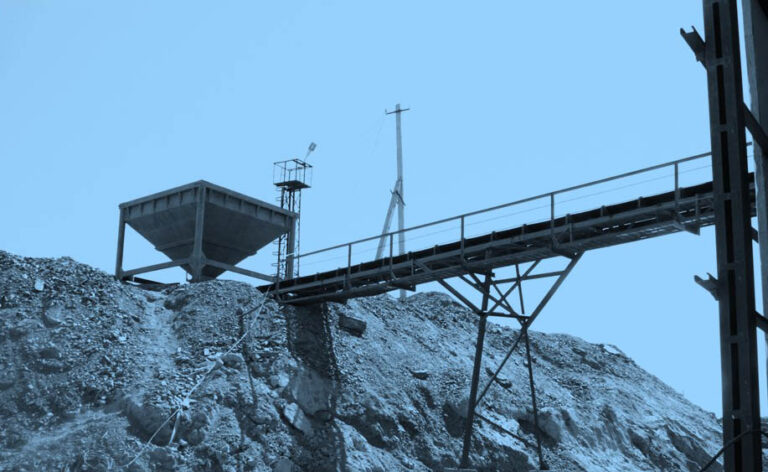
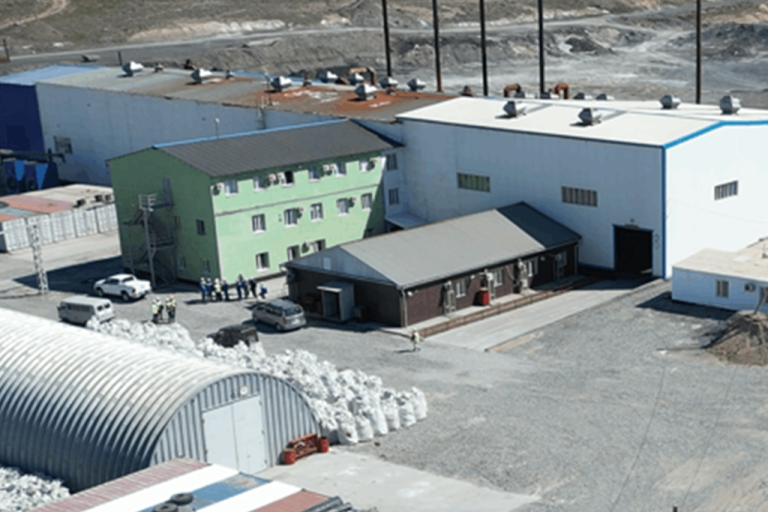
Ferro-Alloy Resources Ltd (LON:FAR) is developing the giant Balasausqandiq vanadium deposit in Kyzylordinskaya oblast of southern Kazakhstan. The ore at this deposit is unlike that of nearly all other primary vanadium deposits and is capable of being treated by a much lower cost process.