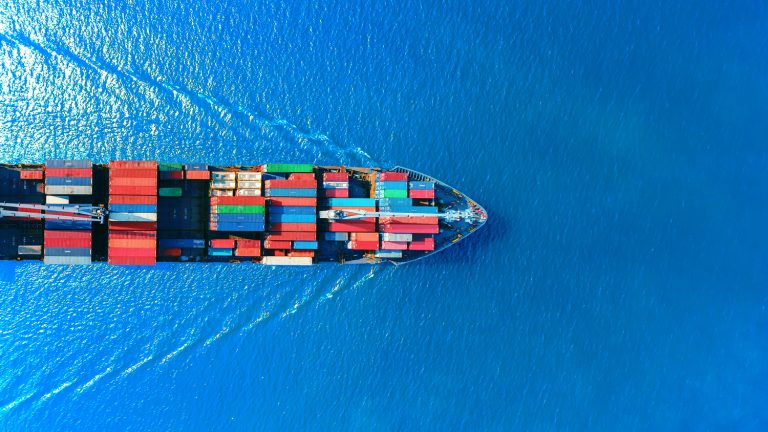
As shipping moves towards lower-carbon fuels, the investment case is increasingly tied to trust, measurement and commercial readiness. For owners, fuel suppliers, ports and financiers, the key issue is not only whether green marine fuels are available, but whether their emissions benefits can be verified across the full supply chain.
The Global Centre for Maritime Decarbonisation is focusing on this challenge through an assurance framework for green fuels, informed by end-to-end biofuel supply chain trials under commercial operating conditions. The work is designed to reduce the risk of emissions savings being overstated or counted more than once, a concern that becomes more material as fuels pass through production, transport, storage, bunkering and final use.
The framework focuses on three areas: the quantity of fuel blended and delivered, the quality and compatibility of fuels in existing operations, and the greenhouse gas abatement achieved through traceability, authentication and emissions accounting.
Near-term decarbonisation opportunities are expected to come from biofuels, ammonia and energy efficiency technologies. Biofuels remain particularly relevant because they can be used with existing vessels and infrastructure, reducing the need for major upfront capital expenditure. Alternative feedstocks such as cashew nut shell liquid and tallow could help expand supply beyond used cooking oil, although their use in marine applications still requires testing for compatibility and operational reliability.
Quadrise plc (LON:QED) is an energy technology provider whose solutions enable production of cheaper, cleaner, simpler and safer alternatives to fuel oil and biofuels, proven in real world applications. Quadrise technologies produce transition fuels called MSAR® and bioMSAR™, which allow clients in the shipping, utilities and industrial sectors to reduce carbon emissions whilst also saving costs.