Vanadium is gaining greater relevance as industries look for practical ways to improve efficiency, lower material intensity and support the shift towards cleaner energy systems.
Its importance begins in steel, which remains the largest end market for vanadium. Adding vanadium to steel allows producers to create higher-strength alloys that deliver the same structural performance with less material. That has clear commercial significance. In construction and infrastructure, lower steel use can reduce overall material requirements, improve design flexibility and support lower lifecycle energy demand in finished structures.
This trend is particularly notable in countries that continue to invest heavily in infrastructure. In China, the adoption of higher-strength rebar standards is encouraging a move away from lower-strength carbon steel towards alloy steel containing vanadium. As other large developing markets such as India and Brazil continue to modernise their construction base, there is scope for broader uptake as awareness and technical familiarity increase.
Vanadium also supports efficiency gains in several industrial sectors. In rail applications, it can extend service life and reduce repair and replacement needs. In power generation, its use in specialised steels can help equipment operate at higher temperatures and improved efficiency levels. In automotive markets, stronger steels can support lighter vehicles, which improves energy efficiency. Aerospace remains another important outlet, where vanadium is used in master alloys for jet engines.
A second area of increasing interest is long duration energy storage. Vanadium redox flow batteries are expected to play a meaningful role where grids require storage over extended periods to support greater renewable power integration. That gives vanadium exposure to a different demand profile from steel, one tied to the build-out of power systems rather than traditional industrial activity.
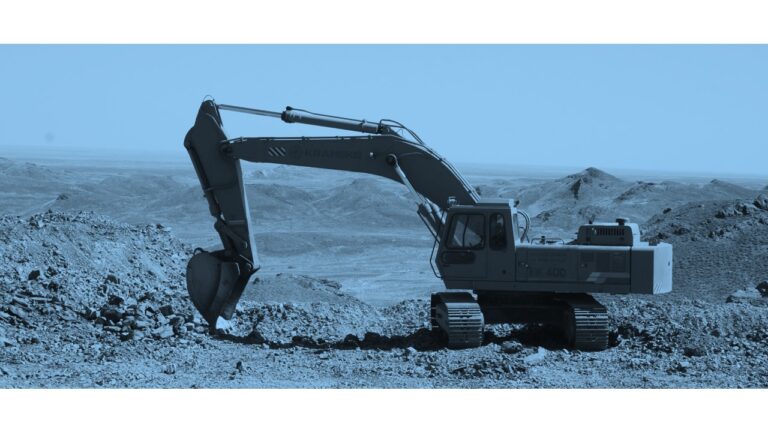
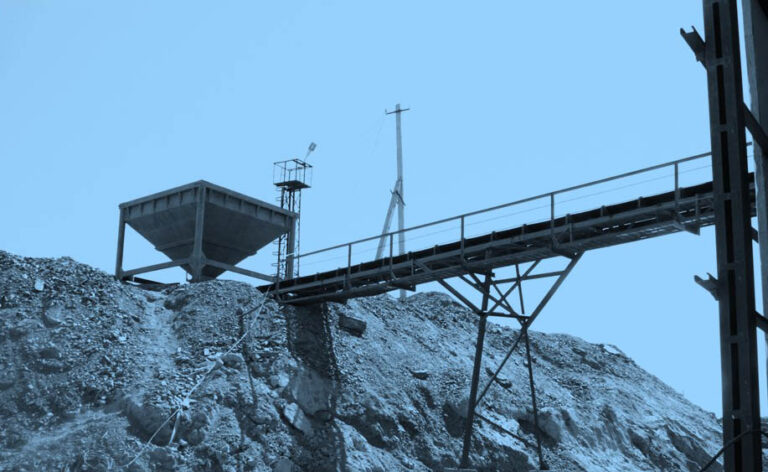
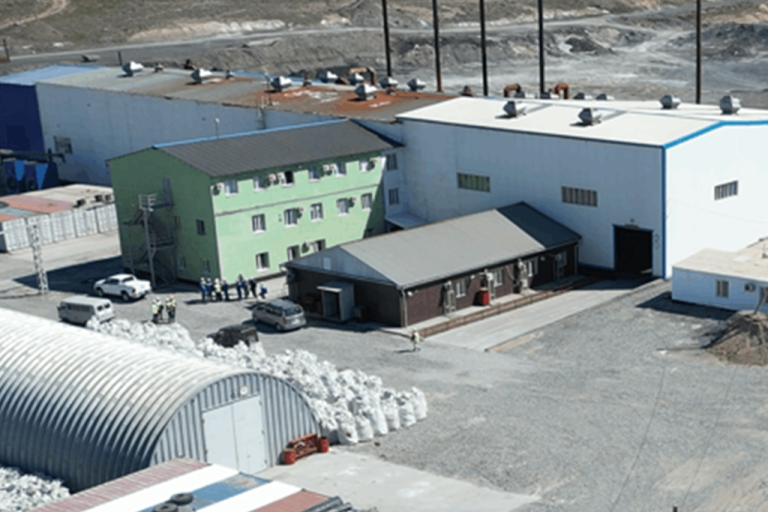
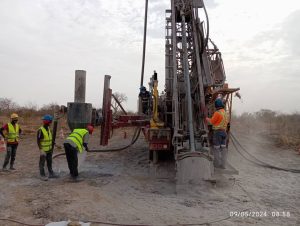
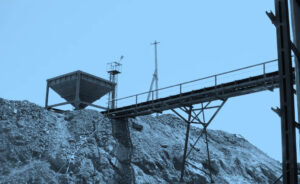
Ferro-Alloy Resources Ltd (LON:FAR) is developing the giant Balasausqandiq vanadium deposit in Kyzylordinskaya oblast of southern Kazakhstan. The ore at this deposit is unlike that of nearly all other primary vanadium deposits and is capable of being treated by a much lower cost process.