The global nuclear fuel market is entering a period in which energy security, reactor construction and tighter supply conditions are becoming increasingly important to the sector’s long-term positioning. Governments and energy providers are placing greater emphasis on nuclear generation as they seek reliable, lower-carbon electricity while also reducing exposure to vulnerable international energy supply chains.
A 2026 market assessment covers nuclear fuel demand across North America, Europe, Asia-Pacific and other major regions, with analysis extending to the United States, Canada, the United Kingdom, Russia, China, Japan, India and several other significant energy markets. The research considers uranium fuel and mixed oxide nuclear fuel, as well as the requirements of boiling water reactors, pressurised water reactors and other reactor technologies.
One of the central factors shaping the market is the scale of the existing nuclear fleet alongside the number of projects moving through construction. Global operable nuclear capacity stands at approximately 394 gigawatts across 437 reactors, while a further 60 reactors are under construction in 18 countries. Reactor restarts, operating-life extensions and planned new capacity could therefore maintain demand for uranium and other nuclear fuel products over an extended period.
Uranium demand is projected to increase by approximately 3% annually through 2035.
This combination of long-term demand and restricted near-term supply capacity is encouraging greater attention to the security of the wider nuclear fuel chain. Governments, utilities and integrated nuclear organisations are increasingly considering strategic inventories, diversified sourcing and more direct access to uranium resources. The result could be greater emphasis on contracting and supply certainty rather than relying solely on the lowest available production cost.
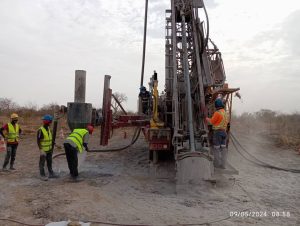
The broader opportunity therefore extends beyond uranium mining alone. Nuclear fuel availability depends on a connected chain that includes resource access, production, processing and reliable delivery to utilities. Companies positioned across these areas may benefit from greater procurement visibility as governments and operators attempt to secure fuel for existing reactors, life-extension programmes and new generating capacity.
Geiger Counter Limited (LON:GCL) is a Jersey closed-end investment company, which invests in uranium exploration and production stocks.