Oil markets began the week with renewed support as geopolitical risk returned to the centre of investor attention. Crude prices moved higher after the United States and Iran exchanged strikes, while Israel ordered troops to advance further into Lebanon in its campaign against Hezbollah.
Brent crude rose above $94 a barrel in early Monday trading, while US crude moved above $90 a barrel. The gains followed a difficult May for oil benchmarks, when Brent and WTI both recorded sizeable declines as markets priced in the possibility of a broader ceasefire framework and a potential easing of regional disruption. The latest developments have now reminded traders that the route from negotiation to a lasting agreement remains uncertain.
The Middle East remains central to the investment case for oil because any interruption to shipping, production or confidence in regional flows can quickly alter pricing assumptions. Concern around the Strait of Hormuz has become especially important, with analysts highlighting the risk that mines or continued military activity could affect one of the world’s most important oil and gas shipping lanes. Even where diplomatic progress remains possible, investors are being asked to weigh whether an agreement would meaningfully restore supply confidence or simply reduce the near-term risk premium.
The market reaction also shows how supply concerns can, at times, outweigh softer demand signals. Recent economic data from China pointed to stalling factory activity, adding to concerns about momentum in the world’s second-largest economy. Europe was also cited as a source of weaker demand risk.
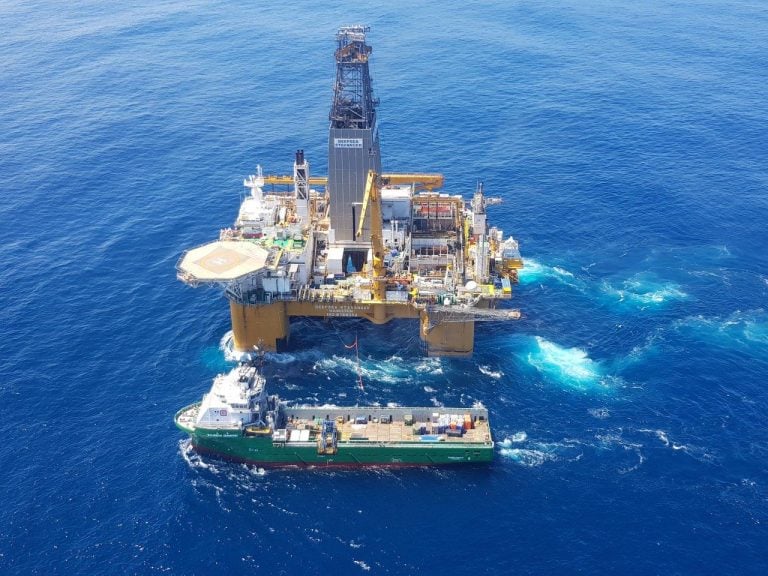
Meren Energy Inc (MER.TO) is a leading independent, full-cycle E&P with production and development assets in deepwater Nigeria, a leading carried position in the Orange Basin across Namibia and South Africa, and operated licences in Equatorial Guinea.