Lime is not on any critical minerals list, but mining would struggle to operate without it.
Quicklime, or calcium oxide, and hydrated lime, or calcium hydroxide, are among the most widely used reagents in mining by volume. They are not rare, high-profile or politically sensitive in the way copper, lithium, nickel or rare earths often are. Their importance is more practical. Lime keeps processing circuits working.
Its main role is pH control. Lime is used across leaching, precipitation and tailings management. In gold cyanidation, it helps maintain alkaline conditions so sodium cyanide remains stable and hydrogen cyanide generation is avoided. In copper SX-EW operations, it helps manage acidity. It is also used in nickel and cobalt processing, uranium leaching and water treatment across large-scale mining operations.
That makes lime a basic but critical operating input. If lime supply is disrupted, production risk can rise quickly. There is no easy short-term substitute in many processing circuits, and the issue is often local rather than global. Lime is heavy, bulky and costly to transport, so most mines source it regionally. A shortage at the wrong location can become a logistics problem before it becomes a market problem.
Lime also has wider industrial value. Quicklime is used in steelmaking as a fluxing agent, helping remove impurities and support product quality. Its exothermic properties make it useful in soil stabilisation for infrastructure foundations. Hydrated lime is used in agriculture to improve soil quality, in construction to stabilise asphalt and in flue gas treatment to support environmental management.
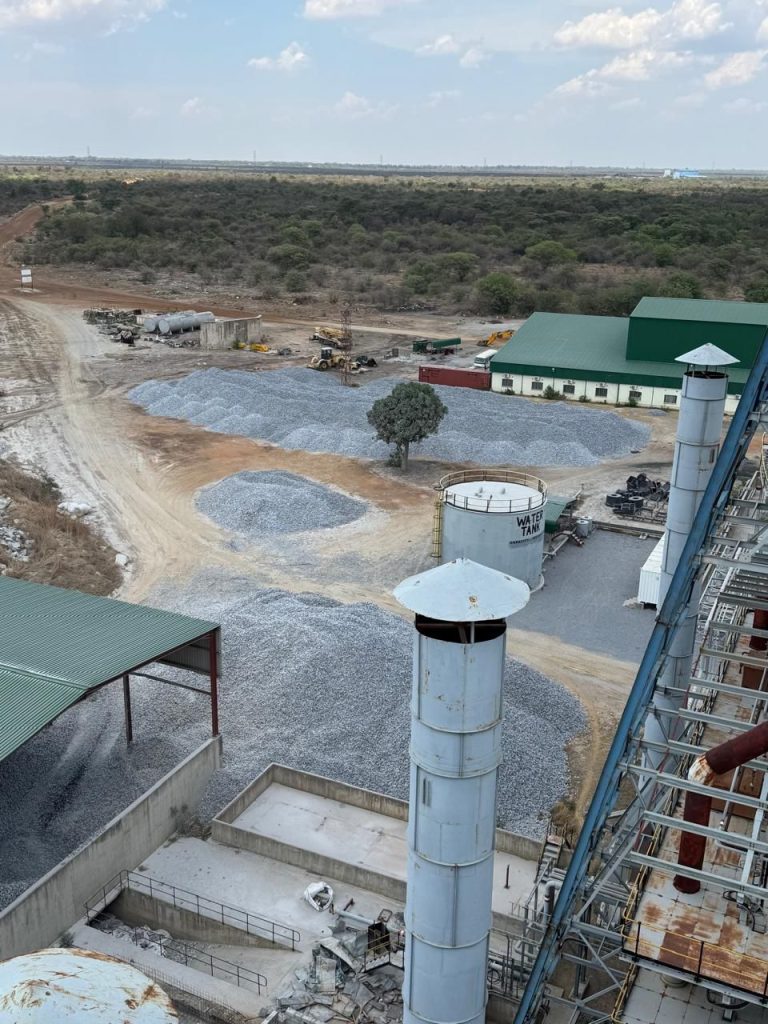
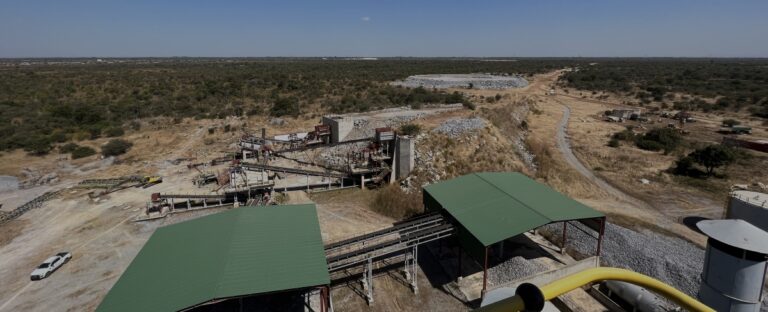
Firering Strategic Minerals plc (LON:FRG) is an emerging quicklime producer and critical minerals explorer, with operations in Zambia and West Africa.