Irish employers are being encouraged to combine employee assistance programmes (EAPs) with earlier identification of workplace mental health risks, helping them address problems before they affect staff wellbeing, attendance and retention.
Under Ireland’s Safety, Health and Welfare at Work Act 2005, employers must protect employees’ physical and mental health so far as is reasonably practicable. This includes identifying workplace hazards, assessing risks and implementing appropriate controls.
Potential risks include excessive workloads, bullying, fatigue and pressures associated with remote working. Employers must review their assessments when working conditions change or existing measures prove inadequate.
EAPs provide confidential counselling, urgent support and referrals to further care. However, these services rely on employees seeking help, meaning wider workforce issues may remain unidentified until they affect performance or attendance.
Champion Health advocates combining individual support with workforce-level risk assessment. Confidential assessments and aggregated data can help identify patterns linked to workload pressure, poor sleep and limited managerial support, enabling employers to target preventative measures.
The company recommends auditing existing EAP provision, including accessibility, utilisation, waiting times, employee feedback and referral outcomes. It notes that no verified Irish EAP utilisation benchmark is available, so employers should assess performance against their own historical data rather than relying on overseas comparisons.
Providing an EAP alone does not demonstrate that an employer has adequately identified and addressed workplace mental health risks. Services should complement measures such as workload reviews, management training and clear referral pathways, while protecting employee confidentiality and personal data.
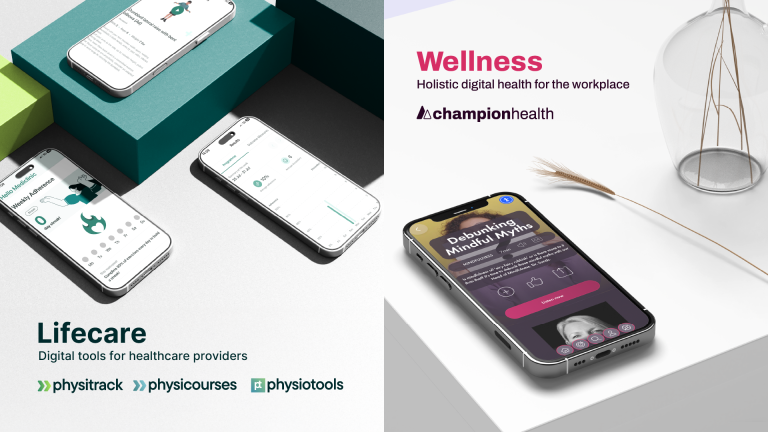
Physitrack plc (PTRK.ST), together with its subsidiaries, provides digital healthcare solutions in the United Kingdom, Europe, North America, and internationally. It operates through two segments, Lifecare and Wellness.