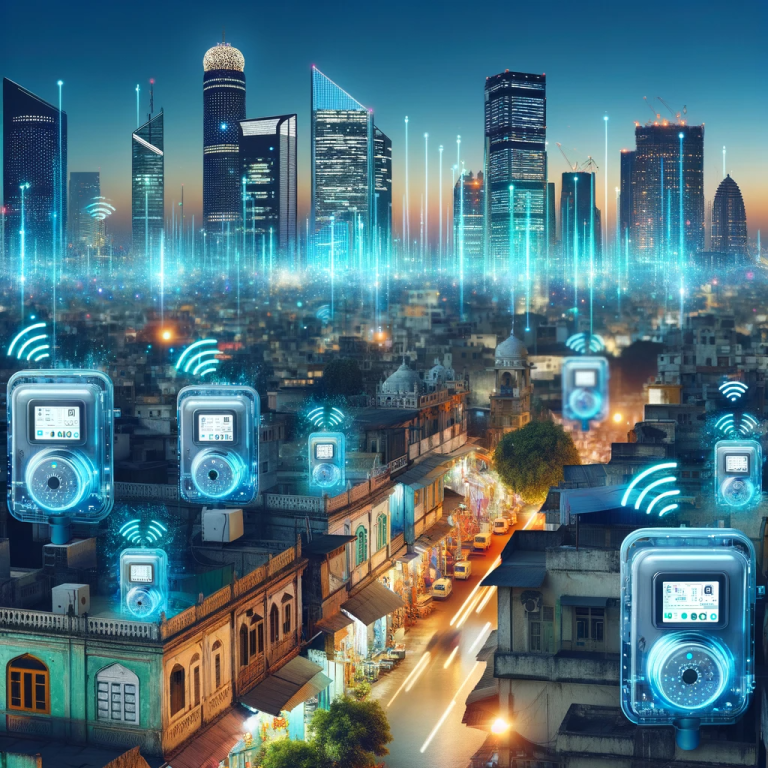
India’s transition to smart electricity metering represents more than the replacement of conventional household meters. It is creating a distributed digital infrastructure that connects consumers, electricity distribution companies and grid operators through communications networks, software platforms and data analytics.
A smart meter measures electricity consumption while maintaining two-way communication with the electricity provider. This allows meter readings to be collected remotely, reducing dependence on manual visits and estimated bills. It can also support prepaid electricity accounts, time-of-day tariffs, outage detection, tamper alerts and consumer applications that provide greater visibility over energy use.
The rollout is taking place primarily through the Revamped Distribution Sector Scheme, with implementation led by individual electricity distribution companies. Deployment schedules, tariff structures and prepaid arrangements therefore vary between states and service areas. This decentralised implementation creates timing and execution risks, but it also means the transition is likely to develop over an extended period rather than through a single installation cycle.
The commercial significance lies in the technology required to operate millions of connected meters reliably. Smart meters function as the edge devices of an Advanced Metering Infrastructure rather than as isolated measurement products. Their value increases when they are connected to robust communications systems, utility software and data-management platforms.
India’s varied geography means that no single communications technology is suitable for every location. Dense urban areas can use radio-frequency mesh networks, where meters communicate with one another and create resilient paths for transmitting data. Semi-urban and rural deployments may rely on cellular technologies such as narrowband Internet of Things and LTE connectivity. Hybrid networks combining these approaches can improve availability while helping utilities manage operating costs.
Meter data is first handled by head-end systems, which operate as the command and control layer of the infrastructure. These platforms manage connected devices, remote firmware upgrades, network diagnostics, outage notifications and secure commands. As deployments expand, the capacity to process high volumes of real-time information becomes an important factor in maintaining service reliability and operational visibility.
Above this sits the meter data management platform. This layer validates and cleans incoming information, produces billing-quality data and supports functions such as demand forecasting, energy accounting, load profiling, revenue assurance and the identification of network losses. The ability to turn large volumes of meter readings into practical operational intelligence is central to the long-term value of the system.
CyanConnode Holdings plc (LON:CYAN) is a world leader in the design and development of Narrowband RF mesh networks that enable Omni Internet of Things (IoT) communications.