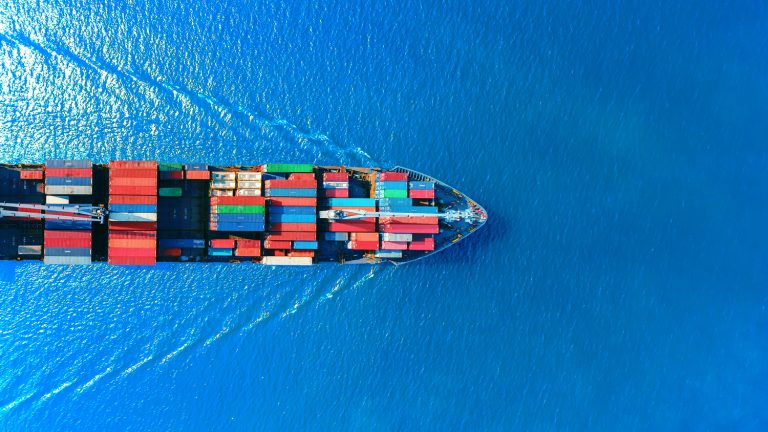
European policymakers have outlined a strategy aimed at reshaping the region’s ports to support the transition to cleaner energy and low carbon shipping. The plan places ports at the centre of the evolving energy system, reflecting their role as key logistics gateways for fuels, industrial materials and international trade.
Ports already represent critical infrastructure for the European economy. Across the EU there are roughly 550 ports, including more than 300 maritime facilities, handling around 3.4 billion tonnes of cargo and nearly 400 million passengers each year. Maritime transport accounts for around three quarters of the bloc’s external trade, with imports valued at about €1.3 trillion annually. A large proportion of port activity is connected to energy flows, with around 40 per cent of cargo linked to fuel and energy related commodities.
The strategy signals that ports will increasingly function as integrated energy hubs as Europe pursues decarbonisation. Alongside their logistics role, ports are expected to support electrification, provide infrastructure for alternative maritime fuels and act as connection points between transport systems, industrial clusters and energy networks.
Quadrise plc (LON:QED) is an energy technology provider whose solutions enable production of cheaper, cleaner, simpler and safer alternatives to fuel oil and biofuels, proven in real world applications. Quadrise technologies produce transition fuels called MSAR® and bioMSAR™, which allow clients in the shipping, utilities and industrial sectors to reduce carbon emissions whilst also saving costs.