For too many people, being assessed still feels shaped by anxiety, uncertainty and formats that do not fully reflect the range of candidates expected to succeed within them. That is becoming harder to ignore, because assessment design does more than test knowledge. It influences who can show their ability clearly, who is placed at an avoidable disadvantage and how reliably outcomes reflect genuine talent.
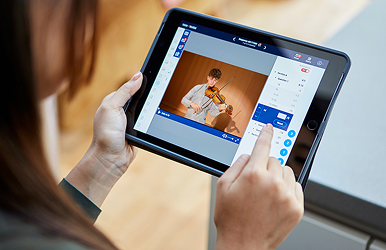
Digital assessment has a practical role to play in addressing that gap. When it is designed well, it can help create a fairer testing environment without turning accessibility into a costly exception. Features such as text-to-speech, dyslexia-friendly fonts and flexible time provision should not be treated as optional extras or special concessions. They are part of sensible assessment design. A candidate who can listen to a question or read it in a format that reduces visual stress is not being given an advantage over others. They are being given a fairer opportunity to demonstrate what they know.
The relevance of technology is that it makes this approach easier to deliver at scale. What once might have appeared complex or expensive is increasingly achievable through digital systems. As digital delivery improves, the case for building accessibility and flexibility into mainstream assessment design becomes stronger.
When qualifications depend too heavily on a narrow range of task types, they may not capture the full extent of a candidate’s strengths. The result is not only a weaker experience for the individual. It can also produce outcomes that are less useful for employers and institutions that rely on those credentials to identify potential. A broader range of assessment formats, used where appropriate, gives candidates more than one way to show what they can do and creates a fuller picture of their knowledge and skills.
RM plc (LON:RM) is a global EdTech provider of learning and assessment solutions, supporting the full learning journey, from early years through to higher education and professional qualifications.