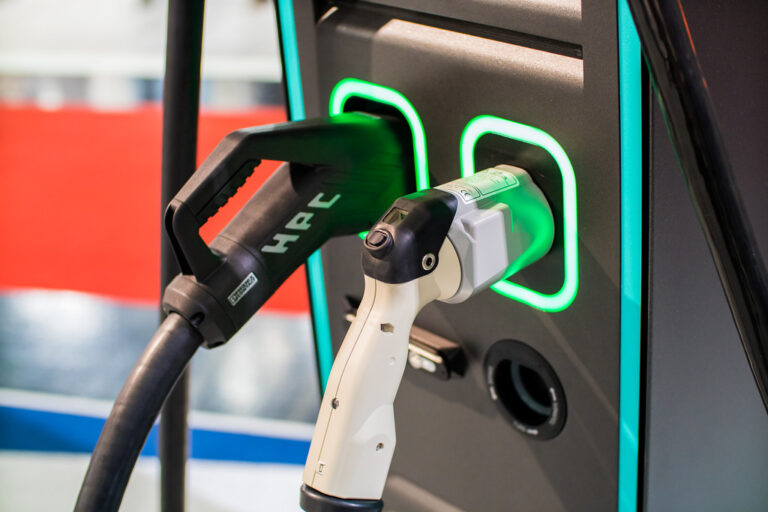
Britain’s battery storage market is expanding at a pace that is changing the structure of the country’s electricity system. Installed battery capacity has tripled in three years, reaching nearly 7 GW and giving the technology a greater headline discharge capacity than Britain’s nuclear fleet.
The comparison highlights the speed at which battery projects can be developed, although the technologies serve different purposes. Batteries generally provide electricity for between one and four hours before they need to recharge, while nuclear power stations are designed to deliver continuous generation. Battery storage therefore plays a more flexible role, responding rapidly to short-term changes in electricity supply, demand and pricing.
This ability to react within seconds is becoming more valuable as Britain adds greater volumes of wind and solar generation. Renewable electricity production varies according to weather conditions, which can create periods of surplus output as well as times when generation falls below demand. Batteries can store some of the excess electricity and release it later, helping to reduce renewable curtailment and moderate price movements during peak periods.
Pumped-storage hydro complements this role by holding much larger volumes of energy for longer periods. The combination of batteries and pumped hydro provides the electricity system with a range of storage options, supporting both immediate balancing requirements and extended periods of system pressure.
Britain’s rapid expansion does not guarantee that it will continue attracting sufficient development capital. Battery storage is becoming an increasingly competitive international market as countries seek additional flexibility to support renewable generation. Developers can compare opportunities across jurisdictions, with expected returns influenced by market regulations, electricity price spreads and the number of competing projects.
Drax Group plc (LON:DRX), trading as Drax, is a power generation business. The principal downstream enterprises are based in the UK and include Drax Power Limited, which runs the biomass fuelled Drax power station, near Selby in North Yorkshire.