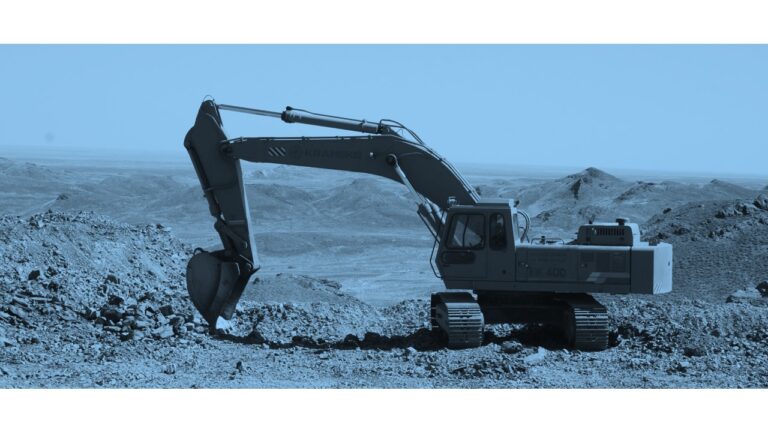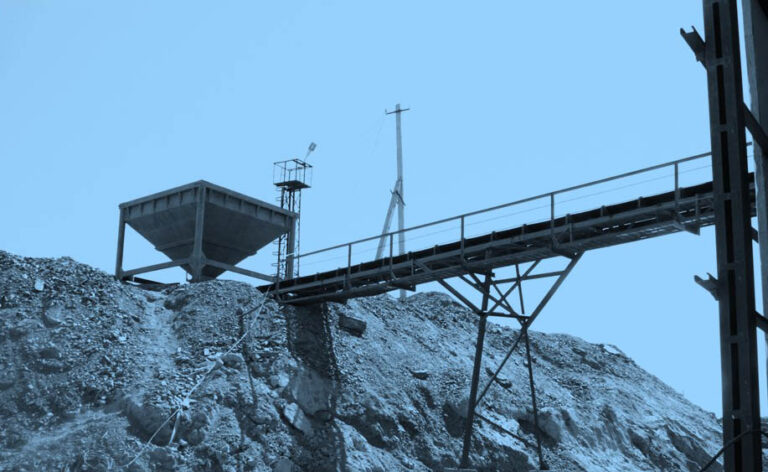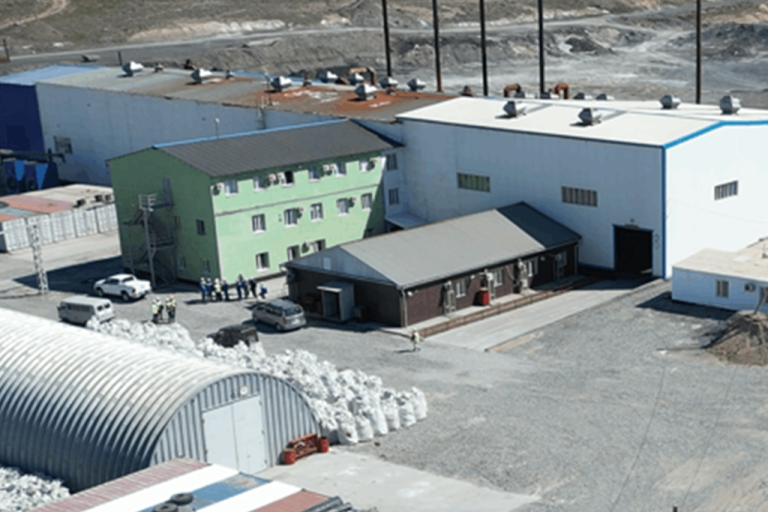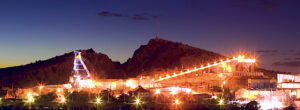
Ferro-Alloy Resources is presenting Balasausqandiq as a large vanadium project with clear scale, but the more important point for investors is the way it plans to develop it. The deposit, in southern Kazakhstan, contains vanadium together with by-products including molybdenum, uranium and carbon.
The current mineral resource estimate covers only the first of seven known ore bodies within the mining licence area and amounts to about 33 million tonnes of ore. Even on that basis, the company says the project could ultimately support a much larger operation, treating up to 10 million tonnes of ore a year and producing around 55,000 tonnes of vanadium pentoxide a year. That long-term scale provides the strategic backdrop, but management is not proposing to build to that level immediately.
Instead, the company plans a two-phase development. Phase 1 is set at 1.65 million tonnes of ore a year, with Phase 2 increasing this to 5 million tonnes a year.
The company also argues that Balasausqandiq stands apart from many other vanadium projects because it is not based on vanadiferous titano-magnetite and can use a processing method that is lower in both capital and operating cost. That claim is central to the investment case. If the project can be developed on that basis, it may offer better resilience through the cycle and a more practical route to expansion. Just as importantly, the company says the slower development plan could be revised if demand rises materially, including from vanadium redox flow batteries.
Carbon is the most significant by-product opportunity described on the project page. It makes up more than 8% of the ore and is said to be similar in form to carbon black. The company states that, after recovery of vanadium and other metals, a 40% carbon concentrate can be produced by flotation.
Ferro-Alloy Resources Ltd (LON:FAR) is developing the giant Balasausqandiq vanadium deposit in Kyzylordinskaya oblast of southern Kazakhstan. The ore at this deposit is unlike that of nearly all other primary vanadium deposits and is capable of being treated by a much lower cost process.