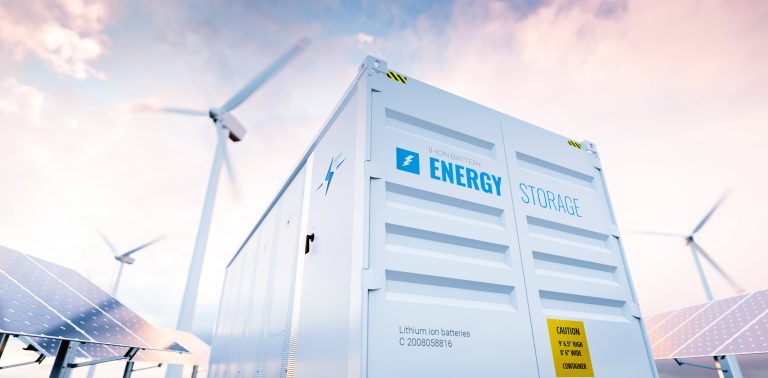
Ampeak Energy is developing battery energy storage opportunities to support the UK’s transition towards a lower-carbon electricity system, where increasing levels of wind and solar generation are creating a greater need to balance electricity supply and demand.
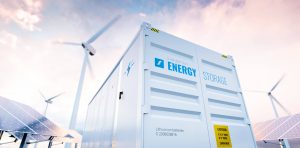
Battery Energy Storage Systems (BESS) store electricity when supply exceeds demand and release it when additional power is required. By helping manage fluctuations in renewable generation, these systems can support grid stability while creating opportunities to generate revenue from electricity trading and other grid services.
Ampeak’s business model centres on connecting battery storage assets directly to the national grid. The company expects most project revenue to come from buying electricity when prices are low and selling it when prices are higher. Additional income is expected from the Capacity Market and ancillary services, which help maintain the reliability and flexibility of the electricity system.
The company also plans to use third-party optimisation and trading services. These arrangements are intended to maximise revenue from its battery assets while providing Ampeak with a guaranteed minimum price for their output. The effectiveness of this model will depend on market conditions, operating performance and the commercial terms agreed with service providers.
How battery energy storage systems work
A BESS typically combines battery cells, an inverter, control software and protection equipment. The batteries store electricity, while the inverter converts power between the direct current used by the batteries and the alternating current used by buildings and the electricity grid. Control systems manage charging and discharging, monitor performance and help keep the equipment within safe operating limits.
At grid scale, battery systems can absorb surplus electricity and return it during periods of stronger demand or higher prices. This can help reduce the mismatch between renewable generation and consumption, particularly when wind or solar output varies with weather conditions.
Battery storage can also provide services that support the wider electricity network. Depending on the system and its market arrangements, these may include responding to changes in grid frequency and providing capacity when the system needs additional resources.
Ampeak Energy Limited (LON:AMP) a developer, owner and operator of sustainable energy projects. Transitioning to become a major Independent Power Producer (IPP) with a project development arm specialising in Battery Storage and Tidal Stream generation.