Uranium is becoming a clearer investment theme as nuclear power returns to the centre of energy planning. Demand from reactors is rising, while new mine supply remains slow to reach the market.
After years of oversupply, the market has shifted. Existing reactors need consistent fuel, new reactors are being planned, and utilities can no longer rely as heavily on old inventories. That makes long-term uranium supply more important, especially for buyers in the United States and Europe.
Uranium is not a market that can respond quickly. A new mine can take many years to permit, finance and build. Even when prices rise, supply does not appear overnight. Companies with operating mines, restart assets or advanced projects therefore have a timing advantage over early-stage explorers.
Government policy is also supporting the sector. More countries are backing nuclear power because it provides reliable electricity and can operate around the clock. That makes uranium different from many other energy commodities. Demand is linked not only to price, but to national energy security, grid stability and long-term power planning.
Western utilities want dependable supply from countries they can trust. That puts more focus on producers and projects in places such as Canada, Australia and Namibia. It also raises the value of companies that can offer reliable delivery, not just large resources in the ground.
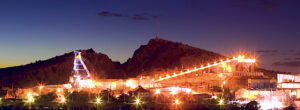
Large producers such as Cameco are relevant because they combine uranium production with broader fuel market exposure. Restart stories such as Paladin Energy are important because they may bring supply back into a tighter market.
Geiger Counter Limited (LON:GCL) is a Jersey closed-end investment company, which invests in uranium exploration and production stocks.