
Biomass can provide a low-carbon source of energy, but its environmental impact depends heavily on how the material is sourced, the type of wood used and the way forests are managed.
The debate surrounding biomass has intensified, with some studies suggesting that burning wood for electricity can generate significant carbon emissions. However, assessing its overall climate impact requires looking beyond emissions at the point of combustion and considering the wider carbon cycle, forestry practices and the alternative uses of the material.
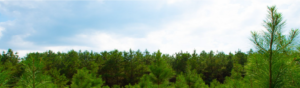
Trees absorb carbon dioxide as they grow, storing carbon within their wood. This carbon is subsequently released when wood is burned or decomposes. In sustainably managed forests, trees are growing, being harvested and regenerating at different stages, allowing forests to continue absorbing and storing carbon over time.
The type of wood used for energy generation is a key factor. Higher-quality timber is generally used for products such as construction materials, where carbon can remain stored for extended periods. Lower-grade wood, forestry thinnings, treetops, branches and sawmill residues can instead provide materials for bioenergy production.
Using these materials can have a different environmental impact from harvesting trees that could otherwise have been used for long-lived products. In particular, forestry residues and sawmill waste may otherwise be left to decompose or burned without generating useful energy.
A central consideration is carbon debt, which occurs when biomass production results in additional carbon emissions or reduces the amount of carbon stored in forests compared with what would have happened without the demand for bioenergy.
The risk of carbon debt is greatest when trees are harvested intensively and specifically for energy production. It can be considerably lower when material comes from forestry thinnings, harvesting residues, salvage wood and other low-value materials from productive, well-managed forests.
In some circumstances, using forestry residues for energy can create little or no additional carbon debt. For example, where branches and other harvesting waste would otherwise be burned as part of forest management, using that material for energy can make productive use of resources that would have released carbon anyway.
Biomass markets can also support investment in forest management, helping maintain productive forests and their capacity to store carbon over the longer term.
However, the environmental performance of biomass cannot be assessed using a single calculation. Several factors influence the outcome, including the origin of the material, harvesting practices, forest regeneration, the alternative fate of the wood and the energy source being replaced.
The time period and geographical area used in an assessment can also affect the results. Replacing different fossil fuels produces different emissions savings, while changes in forest carbon stocks need to be considered over an appropriate period.
This helps explain why scientific studies can reach different conclusions about biomass. Their findings often depend on the types of feedstock examined, the assumptions made about forestry practices and the emissions associated with alternative energy sources.
For biomass to deliver lower-carbon energy, responsible sourcing is therefore essential. This involves selecting appropriate materials, understanding the forests from which they originate and assessing what would happen to those materials if they were not used for energy generation.
Drax Group plc (LON:DRX), trading as Drax, is a power generation business. The principal downstream enterprises are based in the UK and include Drax Power Limited, which runs the biomass fuelled Drax power station, near Selby in North Yorkshire.