NexGen Energy has moved its Rook I uranium project out of the approvals stage and into construction planning.
The key development is that Rook I has now received final federal approval. That removes a major uncertainty from the investment case and shifts the focus to delivery.
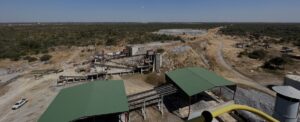
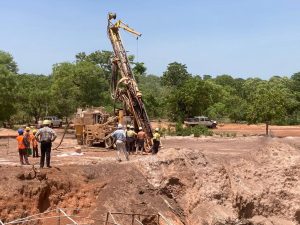
Rook I is located in Saskatchewan’s Athabasca Basin and is centred on the Arrow deposit. NexGen has described it as the largest development-stage uranium project in Canada. With federal approval now secured, the company has the regulatory clearance needed to move ahead with site preparation and construction. This follows the provincial environmental approval already received in Saskatchewan, meaning the project has now crossed the main regulatory barriers that typically slow mining developments.
With that stage now largely behind it, NexGen enters a more concrete phase. The company has indicated that construction is expected to begin in summer 2026, with a four-year build period.
The value case now rests less on potential and more on execution. A permitted uranium project of this size can hold strategic value, particularly in a market where future supply remains an important theme. But scale cuts both ways. A large asset can create strong long-term positioning, yet it also raises the stakes around capital discipline, project management and timetable control.
NexGen has said the mine could produce up to 30 million pounds of uranium a year. That is the kind of output that gives a single project importance not just at company level, but within the wider uranium market.
Geiger Counter Limited (LON:GCL) is a Jersey closed-end investment company, which invests in uranium exploration and production stocks.