Around 1.71 billion people worldwide live with musculoskeletal conditions. Back pain, arthritis, post-operative rehabilitation and sports injuries all create ongoing demand for treatment, exercise programmes and clinical monitoring. In many cases, patients need repeated appointments over weeks or months, making the category well suited to digital delivery.
Home-exercise programmes are one of the clearest opportunities. Patients can follow structured rehabilitation plans remotely rather than attending a clinic for every stage of treatment. Digital platforms can guide exercises, record completion and help maintain continuity between consultations.
This reduces dependence on repeated in-person appointments while allowing clinicians to stay involved. For healthcare providers, that can support more efficient use of clinical time. For digital-health companies, it creates a recurring role in the treatment process rather than a one-off interaction.
Remote consultations can give patients access to physiotherapists and other healthcare professionals without requiring regular travel. This can make musculoskeletal treatment easier to access, particularly for patients who live far from specialist services or who have mobility limitations.
Rehabilitation depends heavily on what happens between appointments. Digital tools can record exercise completion, symptoms and changes in mobility, giving clinicians greater visibility into how patients are progressing. That creates the potential for a more targeted care model.
Patients who are progressing normally may need fewer routine appointments, while those who are struggling can be identified earlier and receive additional support. Back pain and arthritis are particularly suited to this approach because management often involves repeated exercise, gradual progress and long-term behaviour. Digital platforms can support these activities at home while maintaining a connection with clinical teams.
Recovery after musculoskeletal surgery can require months of structured exercises and monitoring. Remote programmes can help patients follow prescribed rehabilitation plans while giving clinicians a way to track progress without requiring an appointment for every check-in.
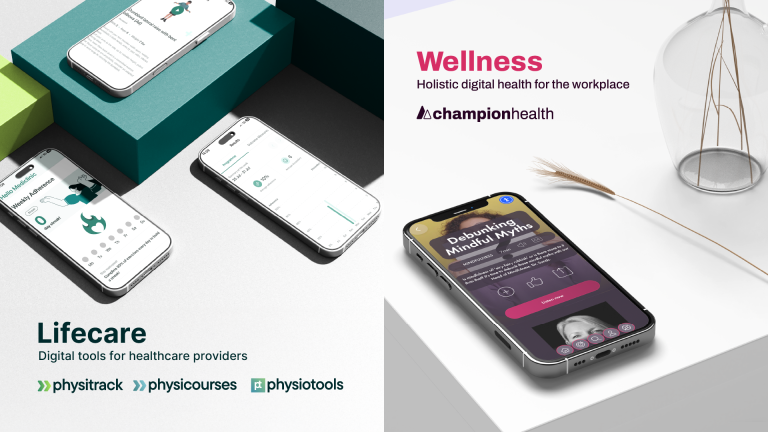
Physitrack plc (PTRK.ST), together with its subsidiaries, provides digital healthcare solutions in the United Kingdom, Europe, North America, and internationally. It operates through two segments, Lifecare and Wellness.