
James Cropper is increasing production and improving efficiency at its Burneside Mill as it works to restore profitability and strengthen its position in the specialist paper market.
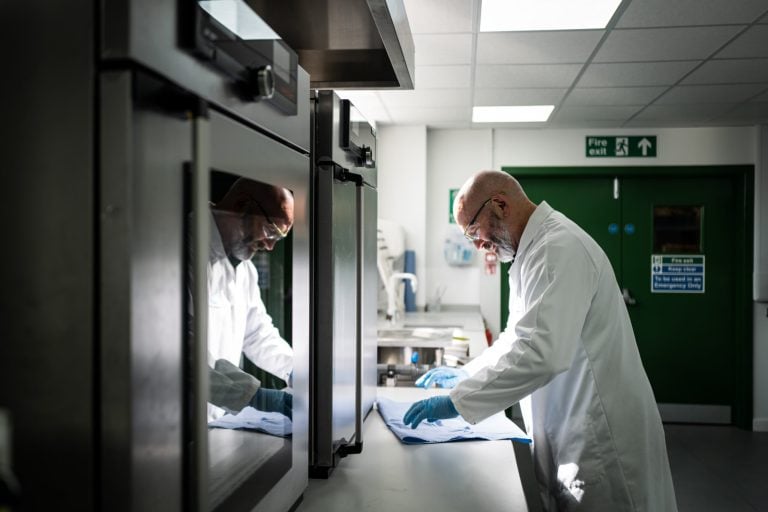
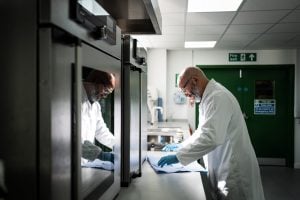
A new documentary, ‘The Last Mill Standing, highlights the changes taking place at the Lake District site, which is Britain’s only specialist coloured paper mill. The business has more than 180 years of manufacturing history and now operates in an industry that has contracted from more than 400 UK paper mills to approximately 36 over the past 30 years.
The Paper and Packaging division has made operational improvements under Managing Director Paul Barber, with performance exceeding expectations during the period covered. The focus is on increasing output, reducing costs and making better use of the company’s specialist manufacturing capabilities.
One priority is improving the reliability of ageing production equipment. Some machinery has been operating for decades and requires complex maintenance. James Cropper is introducing more proactive monitoring to identify potential faults before they cause production interruptions. This approach is generating estimated annual savings of £250,000 to £300,000.
The company is also responding to changes in customer demand through faster product development. After losing a major customer, it developed and launched Coloursource within six weeks. The launch demonstrated its ability to respond quickly to commercial challenges and use its technical expertise to develop new products.
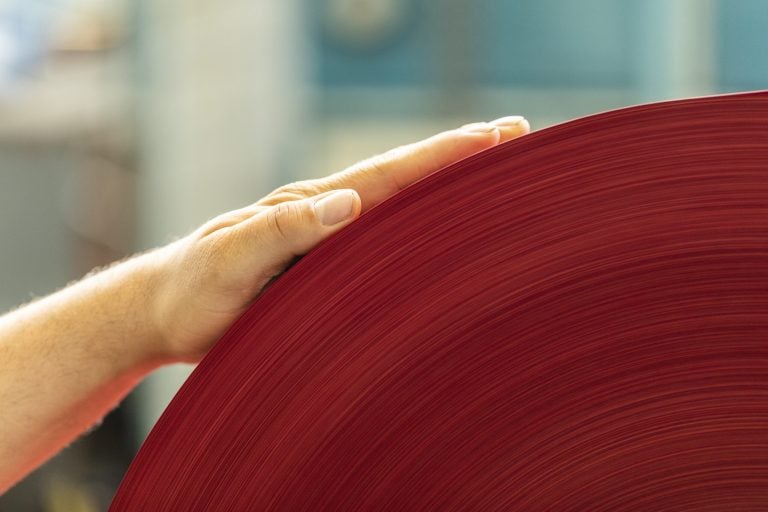
James Cropper manufactures specialist papers for luxury packaging, perfume brands, watch boxes and premium printing. Its ability to produce bespoke colours, finishes and materials gives it a differentiated position against larger manufacturers focused on high-volume production.
James Cropper plc (LON:CRPR) is a market leader in Advanced Materials and Paper & Packaging. The Group’s Advanced Materials products incorporate pioneering nonwovens and electrochemical coatings for its customers globally, including components in fuel cells and hydrogen electrolysis.