The opioid crisis remains a serious and evolving healthcare challenge. While opioid-related deaths in the United States have declined modestly, the wider problem has not been resolved. Prescription opioid misuse has increasingly been overtaken by the availability of potent illicit synthetic drugs, creating a more complex treatment environment and raising the risk of overdose and death. The issue is also no longer confined to North America, with countries including the United Kingdom facing rising levels of opioid misuse and related harm.
Healthcare providers and policymakers have responded with a broader mix of interventions. Opioid use disorder is increasingly treated as a chronic medical condition rather than a criminal issue, supporting more evidence-based and compassionate care. Strategies such as medication-assisted treatment, wider use of overdose-reversal drugs, tighter prescribing controls and harm-reduction reforms have improved outcomes. However, the pace of change in illicit drug supply has left gaps in prevention and treatment.
Neurostimulation is emerging as a complementary approach that may help address some of these gaps. Unlike drug-based therapies, neurostimulation uses controlled electrical stimulation to influence nerve activity. Techniques such as vagus nerve stimulation target specific cranial nerves to help regulate the body’s stress response. By calming the sympathetic nervous system, these approaches can reduce the physical and psychological discomfort associated with opioid withdrawal, making detoxification more manageable for patients.
Small implanted devices are becoming an important part of this field. These devices deliver controlled electrical pulses and can reduce withdrawal symptoms over a short period, in some cases within minutes or over several days. By easing the initial detoxification phase, neurostimulation can help create a bridge to longer-term treatment options, including medication-assisted therapies. It may also support patients affected by chronic pain, emotional distress, cravings and co-occurring conditions such as post-traumatic stress disorder, all of which can complicate recovery.
Implantable neurostimulation systems, often known as implantable pulse generators, require a stable and long-lasting power source. Traditional non-rechargeable batteries can be relatively large, limiting where devices can be placed in the body.
By using solid electrolytes rather than liquid or gel-based materials, they can support better safety, higher energy density and faster charging. These characteristics are especially relevant in medical electronics, where reliability, compactness and patient safety are critical. Their manufacture uses processes similar to those found in the semiconductor industry, allowing very small and precise devices to be produced at millimetre scale.
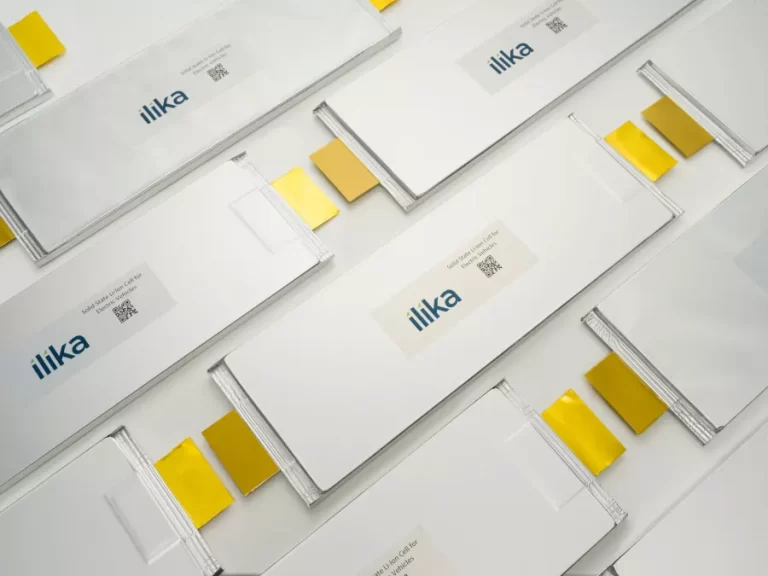
Ilika is developing miniature solid state batteries specifically for implanted medical applications. Its Stereax technology is designed to support smaller implantable devices that can be positioned closer to the target nerve or treatment site. This miniaturisation may reduce the invasiveness of procedures, increase design flexibility and improve how therapies are delivered. The compact form of solid state batteries also allows integration into device manufacturing using established techniques such as pick-and-place assembly.