Gold companies remain in a favourable position as higher gold prices continue to support margins, cash flow and financial flexibility across the sector.
The stronger gold price environment is still helping producers absorb higher costs and softer production levels, while leaving many companies with healthy room between the price received for each ounce and the cost of producing it. That margin is central to the investment case, because it determines how much cash a miner can generate after sustaining its operations.
The latest quarter showed that gold producers continued to benefit from strong realised prices. This helped offset pressure from rising all-in sustaining costs and weaker output across parts of the sector. While production and cost performance remain important, the pricing backdrop has given companies more capacity to manage short-term operational pressures without losing the broader benefit of the market environment.
That is positive for investors because higher realised prices can strengthen balance sheets, improve cash generation and give management teams more choices. Companies may be better able to fund mine development, reinvest in existing assets, manage debt and consider shareholder returns while still maintaining operational discipline.
Producers that already have operating mines can benefit quickly from higher prices, as revenue improves without the long lead times attached to new project development. This makes current production quality especially relevant. Companies that can maintain reliable output while keeping costs under control are well positioned to turn the higher gold price into stronger financial results.
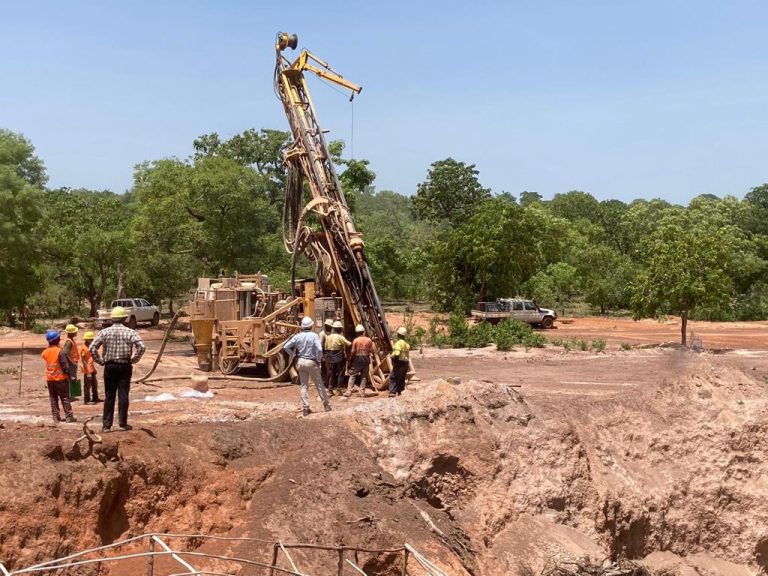
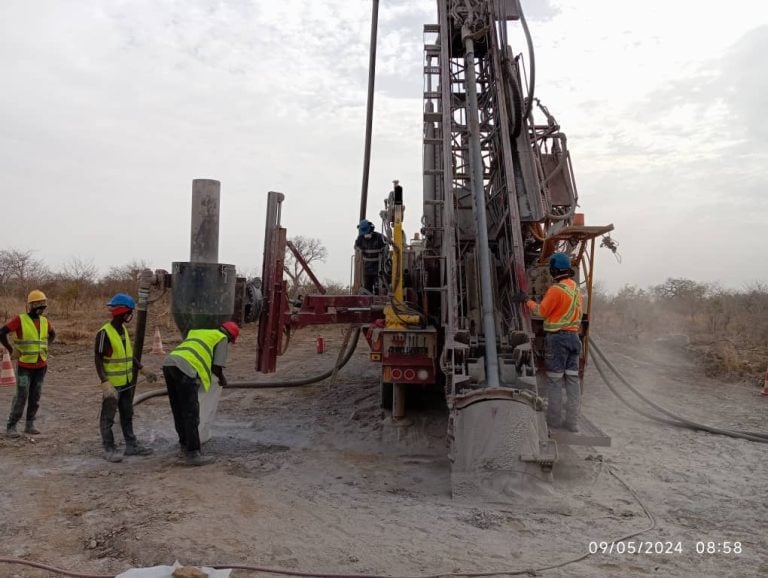
Cora Gold Ltd (LON:CORA), together with its subsidiaries, explores for and develops mineral projects in West Africa. The company primarily explores for gold deposits. Its flagship project is the Sanankoro Gold project located in the Yanfolila Gold Belt, Southern Mali.