Recent geopolitical disruption has shown how quickly pressure in oil and gas markets can feed through into electricity pricing, exposing the fragility of systems that remain too reliant on a narrow set of energy sources. In markets where gas-fired generation still sets the marginal price of power, any tightening in gas supply can rapidly raise costs across the wider economy. That has consequences far beyond household bills. It affects industrial competitiveness, investment confidence and the policy environment in which capital is deployed.
The deeper issue is not simply that energy prices can rise sharply. It is that volatility itself has become a structural feature of the market. Geopolitical tension, supply concentration and infrastructure constraints have all been visible for years, yet many systems have continued to prioritise efficiency under normal conditions over resilience under stress. Low-cost generation, lean supply chains and limited spare capacity may work in stable periods, but they offer little protection when disruption arrives. When shocks hit, the result is immediate pass-through cost rather than stability.
Expanding digital infrastructure, wider electrification and industrial development are increasing the importance of secure and affordable power. In that environment, reliability is not simply an operational concern. It becomes a prerequisite for growth. Economies that can offer dependable energy at manageable cost are likely to be better placed to attract investment, while those exposed to repeated pricing shocks may face weaker industrial positioning and slower decision-making from businesses that depend on long-term visibility.
Decarbonisation remains an important objective, but it is being weighed more directly alongside affordability and security of supply. The market is moving away from single-solution thinking and towards a broader view of durability.
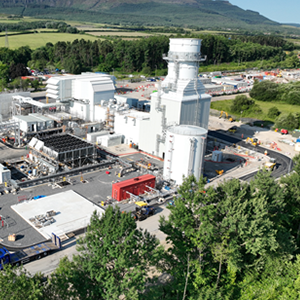
A more resilient electricity system is one that combines different forms of generation with assets capable of responding quickly when supply tightens or demand rises. Storage has a clear role, as do flexible generation assets that can support the grid under more difficult conditions. No single technology can deliver the same performance in every market environment, so resilience increasingly depends on assembling a mix that can absorb shocks and continue operating effectively when individual inputs become scarce or expensive.
Drax Group plc (LON:DRX), trading as Drax, is a power generation business. The principal downstream enterprises are based in the UK and include Drax Power Limited, which runs the biomass fuelled Drax power station, near Selby in North Yorkshire.