Drax is making a direct case for why its asset mix matters as Britain’s electricity system becomes more dependent on variable renewable power.
The company points to the recent bank holiday period as evidence of how quickly conditions can change. With warm, sunny weather and lower demand, Britain’s electricity use fell to a record low of 12.6GW. On that day, solar provided as much as half of the country’s electricity.
Drax has already moved away from coal and now operates Britain’s largest single source of renewable electricity at Drax Power Station. Its next step is to build a wider platform that combines renewable generation, flexible generation, storage and trading capability.
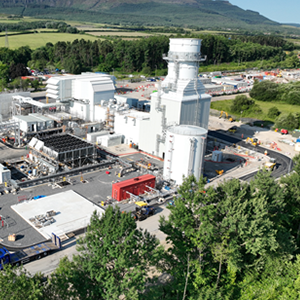
That is the context for Drax’s recommended offer for Bluefield Solar Income Fund. The proposed acquisition would add around 900MW of solar and wind assets to the group, along with a development pipeline of approximately 2.9GW, including joint ventures. It would also bring battery energy storage system and open-cycle gas turbine development sites into the portfolio.
The company says that, when its renewable generation business and flexible generation assets are combined, capacity would exceed 3GW. That would be larger than the 2.6GW capacity of Drax Power Station for the first time.
Drax Group plc (LON:DRX), trading as Drax, is a power generation business. The principal downstream enterprises are based in the UK and include Drax Power Limited, which runs the biomass fuelled Drax power station, near Selby in North Yorkshire.