The commercial property market is showing signs of greater stability as demand strengthens across selected sectors and asset quality becomes increasingly important. Large retail properties, warehouses, prime offices, hospitality assets and digital infrastructure are benefiting from structural changes in how businesses operate, distribute goods and use technology.
The outlook remains uneven, but the direction of travel is becoming clearer. Demand is increasingly concentrated in properties that offer strong locations, modern specifications, reliable infrastructure and the flexibility to meet changing occupier requirements. This is supporting rental growth in parts of the market while widening the gap between prime assets and older buildings that require substantial investment.
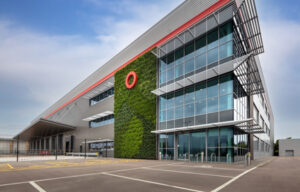
Industrial and logistics property remains central to this shift. Warehouses continue to play an important role in retail distribution, supply chain management and last-mile delivery. Occupiers are also using technology to improve forecasting, inventory control and operational efficiency, increasing the strategic value of well-located facilities with good transport connections.
Larger retail properties are also showing greater resilience where they can support established occupiers, essential services or flexible formats. Retail property is no longer assessed solely on traditional shop-floor demand. Location, accessibility, surrounding population, alternative-use potential and the strength of the tenant are becoming more significant when determining long-term value.
Across Europe, prime rents have continued to rise in several commercial property sectors. At the same time, some yields have started to move out modestly, reflecting a market that is adjusting to financing conditions while retaining demand for high-quality space.
The growing influence of artificial intelligence is adding another layer to commercial property demand. AI-related businesses are seeking high-specification offices with dependable power, strong environmental credentials and access to skilled employees. These requirements are reinforcing demand for modern buildings in established business locations.
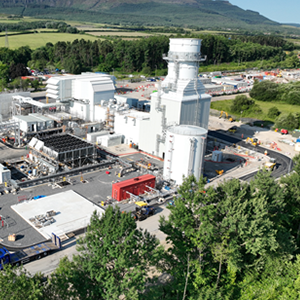
Data centres and digital infrastructure are among the most direct property beneficiaries of increased AI adoption. Demand for computing capacity is supporting rental levels and development activity, particularly in areas where suitable land, power connections and planning approvals are limited. These supply constraints can strengthen the position of existing facilities, although regulatory, energy and construction risks remain important.
Real Estate Credit Investments Limited (LON:RECI) is a closed-end investment company that specialises in European real estate credit markets. Their primary objective is to provide attractive and stable returns to their shareholders, mainly in the form of quarterly dividends, by exposing them to a diversified portfolio of real estate credit investments.