Regencell Bioscience Holdings Limited (NASDAQ: RGC), a prominent player in the healthcare sector, commands attention with its focus on Traditional Chinese Medicine (TCM) biosciences. Operating out of Hong Kong, the company is dedicated to advancing treatments for neurocognitive disorders, including attention deficit hyperactivity disorder (ADHD) and autism spectrum disorder (ASD). Despite its innovative approach, investors are keenly watching how Regencell’s financial metrics and market performance stack up.
At a market capitalization of $9.31 billion, Regencell is a significant entity in the drug manufacturing industry, particularly within the specialty and generic drug niche. However, the current stock price of $18.83, which has seen a slight dip by 0.86 (-0.04%), suggests a volatile journey over the past 52 weeks, with prices fluctuating between $10.36 and $78.00. This wide range reflects substantial investor sentiment shifts and speculative trading activity, characteristic of biopharmaceutical companies in developmental stages.
Yet, Regencell’s valuation metrics offer little clarity, as standard ratios such as P/E, PEG, and Price/Book are notably absent. This lack of traditional valuation data can be attributed to the company’s early-stage focus and reinvestment in R&D rather than a solidified revenue stream. Investors typically view such scenarios with caution, as the absence of these metrics complicates traditional valuation assessments.
Performance-wise, Regencell’s financials appear challenging, with an earnings per share (EPS) of -0.02 and a return on equity (ROE) starkly negative at -177.66%. These figures indicate significant operational and developmental costs outweigh current earnings, a common scenario in biotech firms prioritizing research and product development over immediate profitability. The negative ROE is particularly noteworthy, suggesting the company’s current operations are not generating a return on shareholders’ equity.
From a dividend perspective, Regencell presently offers no yield, aligning with its strategy to reinvest earnings into its promising pipeline rather than distribute profits. The payout ratio of 0.00% further underscores this growth-focused approach.
Analyst ratings provide limited guidance, with no buy, hold, or sell recommendations currently available. The lack of a target price range or average target makes it difficult for investors to predict potential price movements or determine upside potential. This absence of analyst coverage can often be a red flag, suggesting either a lack of interest or an acknowledgment of high risk associated with speculative biotech ventures.
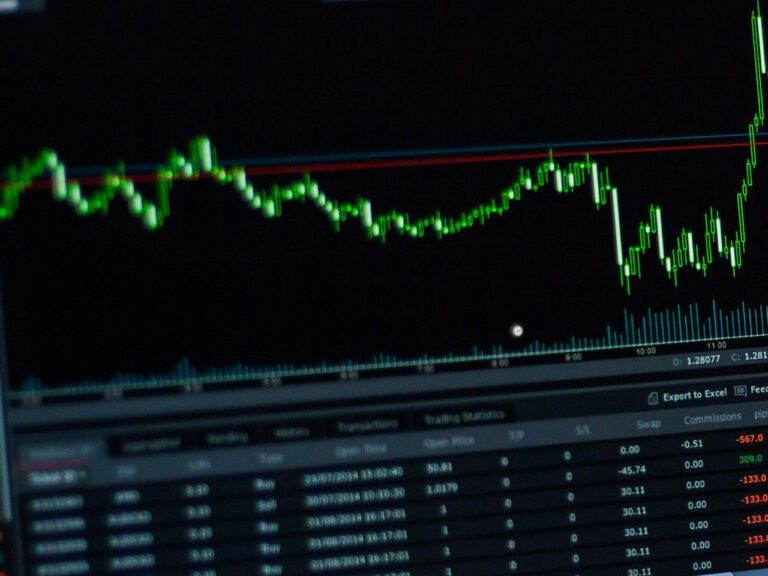
Technically, the stock’s movement is also under scrutiny. With the 50-day moving average at $26.77 and the 200-day moving average at $22.43, Regencell’s current trading price below these averages indicates a bearish trend. The Relative Strength Index (RSI) at 30.38 hints at an oversold condition, potentially signaling a buying opportunity for risk-tolerant investors. Meanwhile, the MACD and Signal Line both being negative suggest continued downward momentum.
Regencell Bioscience Holdings remains a compelling, albeit speculative, prospect for investors with a high tolerance for risk. Its commitment to pioneering TCM treatments for neurocognitive disorders positions it uniquely within the healthcare sector. However, the lack of traditional financial metrics and analyst coverage, compounded by negative performance indicators, requires investors to evaluate the company’s long-term potential against its immediate financial challenges. Those considering an investment in RGC should closely monitor regulatory developments and clinical trial outcomes, which are likely to be significant catalysts for future valuation adjustments.