RadNet, Inc. (NASDAQ: RDNT), a prominent player in the healthcare sector, specifically in diagnostics and research, is capturing investor attention with a compelling potential upside of 47.76%. With a market capitalization of $4.78 billion, RadNet offers a unique investment opportunity as it continues to expand its footprint in the outpatient diagnostic imaging space across the United States and internationally.
**Price and Valuation Insights**
Currently trading at $60.74, RadNet’s stock price has seen fluctuations, with a 52-week range between $51.87 and $84.48. The stock’s current pricing dynamics, coupled with an average target price of $89.75, suggest substantial growth potential. Analysts are unanimously bullish, with eight buy ratings and no hold or sell recommendations, reinforcing confidence in RadNet’s business model and strategic direction.
However, it’s essential to note that RadNet’s valuation metrics present an intriguing picture. The Forward P/E ratio stands at 64.39, indicative of high future earnings expectations but also suggesting a premium valuation. The absence of a trailing P/E, PEG ratio, and other price-based valuation metrics highlights the need for investors to focus on growth prospects and operational performance rather than traditional valuation benchmarks.
**Performance Metrics: A Mixed Bag**
RadNet has demonstrated robust revenue growth of 22.10%, underscoring its ability to scale operations and capture market share in the diagnostic imaging sector. Despite this impressive top-line growth, the company reported a negative EPS of -0.17 and net income figures remain unavailable, which may raise caution among risk-averse investors. Nevertheless, the company’s ability to generate free cash flow of over $190 million suggests operational efficiency and financial resilience.
The company’s return on equity (ROE) is modest at 1.77%, indicating room for improvement in generating shareholder returns. Investors should weigh these performance metrics against the backdrop of RadNet’s strategic initiatives, particularly in AI-driven solutions and health informatics, which could drive future profitability and enhance operational efficiencies.
**Technical Indicators and Market Sentiment**
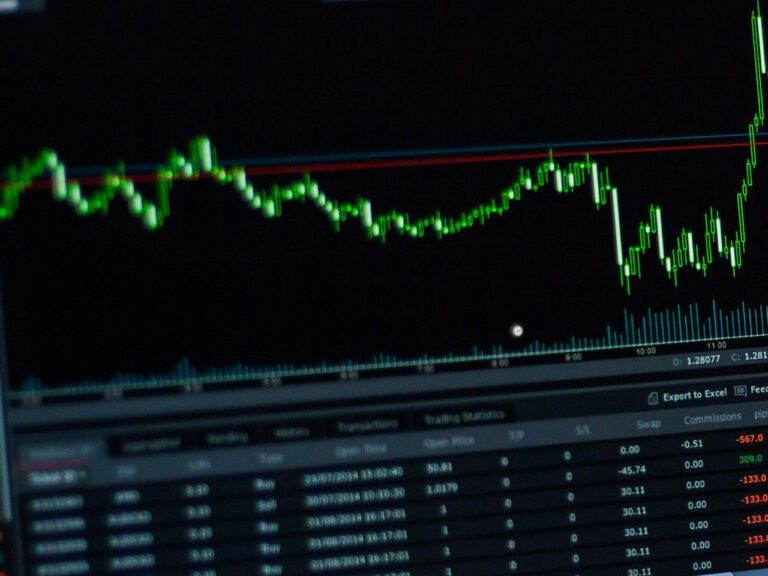
Technical indicators offer additional insights into RadNet’s stock trajectory. The 50-day moving average of $56.10 provides a short-term bullish signal, while the 200-day moving average of $67.99 points to potential long-term support. The Relative Strength Index (RSI) of 53.50 suggests the stock is neither overbought nor oversold, aligning with a balanced market sentiment.
RadNet’s MACD and signal line values of 0.83 and 0.21, respectively, further support a bullish outlook, indicating potential upward momentum. These technical indicators, combined with positive analyst ratings and a significant target price range of $65.00 to $100.00, position RadNet as an attractive prospect for growth-oriented investors.
**Strategic Focus and Future Outlook**
RadNet’s strategic focus on expanding its imaging services and digital health solutions positions it well to capitalize on growing demand for advanced diagnostic services. The company’s development of AI-powered health informatics and imaging solutions is particularly noteworthy, as these innovations enhance radiologist interpretations and improve patient outcomes.
Founded in 1981 and headquartered in Los Angeles, California, RadNet leverages its extensive experience and innovative technology to remain at the forefront of the diagnostic imaging industry. Investors who are bullish on healthcare innovation and the expanding role of AI in medical diagnostics may find RadNet’s growth potential appealing.
As RadNet continues to evolve and adapt to the changing healthcare landscape, its ability to execute on strategic initiatives and deliver shareholder value will be key determinants of its long-term success. Investors should keep a close eye on the company’s financial performance and market developments to make informed investment decisions.