The continued growth of renewable energy generation is increasing the need for technologies that can stabilise electricity supply. Wind and solar capacity have expanded rapidly in recent years and now represent a growing share of the overall energy mix. While this shift supports decarbonisation objectives, it also introduces variability into power systems because these sources generate electricity intermittently.
Electricity networks are designed to maintain a constant balance between supply and demand. When generation from wind or solar drops due to changing weather conditions or the absence of sunlight, other sources must fill the gap. Storage technologies can perform this function by capturing excess energy when renewable output is high and releasing it later when generation declines.
Vanadium redox flow batteries are positioned within this emerging segment of long duration storage. Unlike conventional batteries that are typically designed for shorter discharge periods, flow batteries can deliver electricity for extended durations. This characteristic makes them suitable for supporting grids that rely heavily on intermittent renewable sources.
The design of vanadium redox flow batteries allows energy capacity to be expanded relatively easily. The technology stores energy in liquid electrolytes that contain vanadium ions. These electrolytes circulate between external storage tanks and a battery stack during charging and discharging. Increasing the size of the tanks increases the amount of stored energy, enabling longer discharge periods without fundamentally changing the battery system itself.
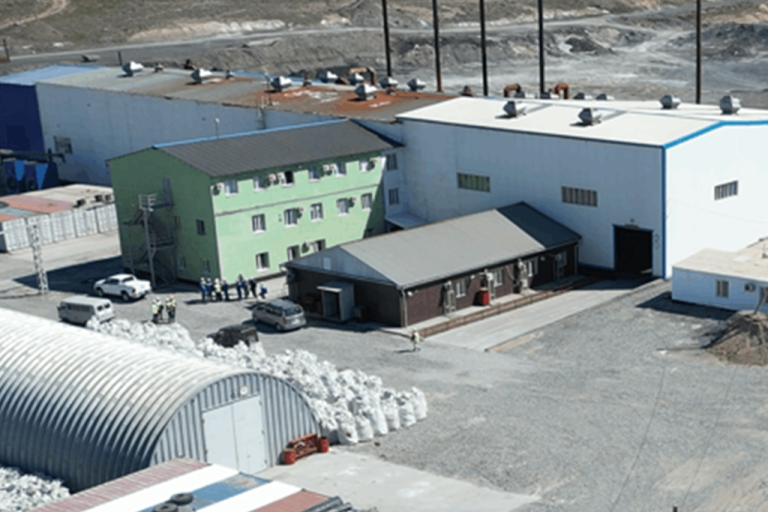
Ferro-Alloy Resources Ltd (LON:FAR) is developing the giant Balasausqandiq vanadium deposit in Kyzylordinskaya oblast of southern Kazakhstan. The ore at this deposit is unlike that of nearly all other primary vanadium deposits and is capable of being treated by a much lower cost process.