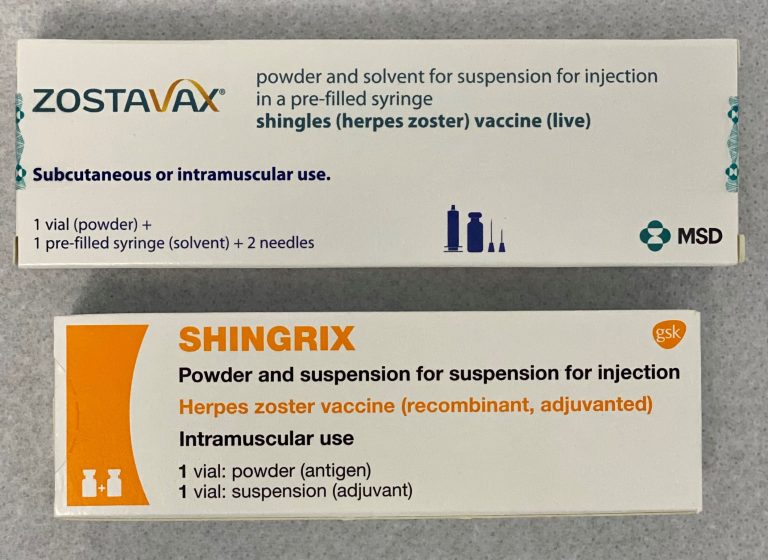
GSK plc (GSK), a prominent name in the healthcare sector, has long been a stalwart in the drug manufacturing industry. With a robust market capitalization of $104.12 billion, GSK stands as a formidable player in the global pharmaceutical landscape. The company, headquartered in London, United Kingdom, engages in the comprehensive research, development, and manufacture of vaccines, specialty medicines, and general medicines. Its diversified portfolio addresses a range of health challenges, including respiratory diseases, oncology, and vaccines for various infectious diseases.
Currently trading at $51.84, GSK’s stock has experienced a modest price change of -0.53 (-0.01%) recently. The stock’s 52-week range from $33.60 to $61.18 indicates significant volatility, yet it also highlights the potential for upward movement. With an average target price of $57.48 set by analysts, the stock presents a promising potential upside of 10.87%, a factor that should catch the eye of growth-oriented investors.
In terms of valuation metrics, GSK reveals an intriguing picture. While some traditional metrics such as the P/E ratio and PEG ratio are not applicable, the company’s forward P/E of 10.10 suggests a relative undervaluation against industry peers. The company’s robust return on equity of 43.31% is a noteworthy performance indicator, illustrating efficient management and strong profitability relative to shareholders’ equity.
GSK’s performance metrics further solidify its investment case. With revenue growth clocking in at 6.20%, the company shows resilience in maintaining top-line growth. Additionally, the earnings per share (EPS) stand at 3.68, underscoring the company’s ability to generate substantial profits. Free cash flow, a critical measure of financial health, is reported at an impressive $3.28 billion, providing the company with ample resources to invest in R&D and pursue strategic acquisitions or partnerships.
One of GSK’s most appealing attributes for income-focused investors is its dividend yield of 3.44%, backed by a sustainable payout ratio of 46.54%. This combination of yield and payout ratio suggests that GSK not only provides a reliable income stream but also retains sufficient earnings to fuel future growth initiatives.
Despite these strengths, investor sentiment as gauged by analyst ratings is mixed, with only one buy rating, six hold ratings, and one sell rating. The target price range of $46.00 to $70.00 reflects this uncertainty, with the upside potential contingent on GSK’s ability to navigate industry challenges and capitalize on its strategic initiatives.
Technically, GSK’s stock presents several points of interest. The 50-day moving average of 54.61 and 200-day moving average of 45.71 highlight recent downward pressure, with the Relative Strength Index (RSI) at 30.98 suggesting the stock is nearing oversold territory. The Moving Average Convergence Divergence (MACD) indicator at -1.09 alongside a signal line at -0.50 indicates a bearish trend, yet these levels can also be precursors to potential buying opportunities for contrarian investors.
As GSK continues to drive innovation in areas such as oncology and infectious diseases, bolstered by strategic collaborations like its mRNA vaccine development partnership with CureVac, the company is well-positioned to tackle unmet medical needs globally. While challenges remain, particularly in navigating regulatory environments and competitive pressures, GSK’s strategic focus and financial health provide a solid foundation for both growth and income investors to consider.