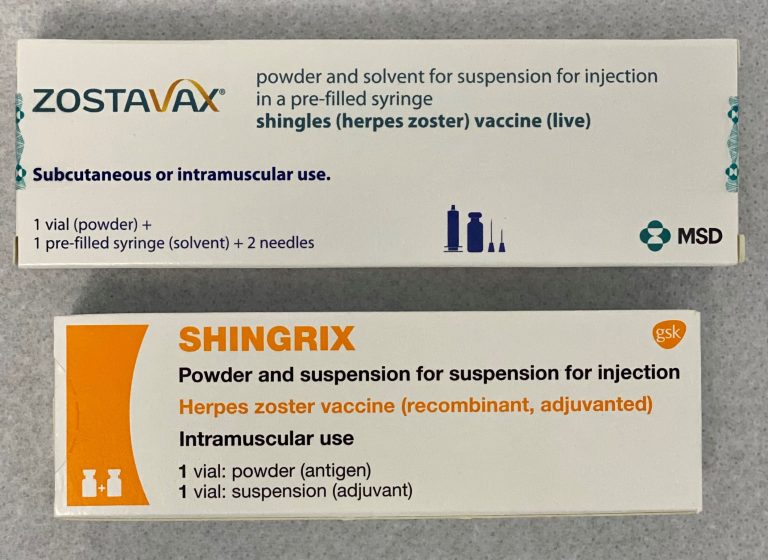
GSK plc (NYSE: GSK) stands as a formidable player in the global healthcare sector, with a market capitalization of $101.38 billion. As a major entity in the drug manufacturing industry, GSK’s extensive portfolio includes vaccines, specialty medicines, and general medicines that address a broad range of medical conditions—from respiratory diseases to oncology and infectious diseases.
Currently, GSK’s stock is trading at $50.54, slightly down by 0.70 (-0.01%). This price places it well within its 52-week range of $36.20 to $61.18, offering investors a glimpse into its volatility and potential value. Analysts have set a target price range between $47.00 and $70.00, with an average target price of $57.94, representing a potential upside of 14.64% from the current levels.
For valuation metrics, GSK has a Forward P/E ratio of 9.66, making it an attractive proposition for investors seeking growth at a reasonable price. However, other valuation metrics such as the PEG Ratio, Price/Book, and Price/Sales are currently unavailable, which may pose a challenge for a comprehensive valuation analysis. Additionally, the company’s impressive Return on Equity (ROE) of 40.91% signals robust profitability relative to shareholder investments, bolstered by free cash flow generation of approximately $3.02 billion.
Despite a modest revenue growth of 1.50%, GSK maintains a solid dividend yield of 3.57% with a payout ratio of 46.54%, making it an appealing option for income-focused investors. This dividend strategy underscores GSK’s commitment to returning value to its shareholders while sustaining financial flexibility for future growth.
Investor sentiment, reflected through analyst ratings, reveals a cautious but optimistic outlook: 2 Buy ratings, 5 Hold ratings, and 1 Sell rating. This mixed sentiment underscores the importance of a nuanced analysis of GSK’s performance and strategic direction.
Technical indicators present a mixed picture; a Relative Strength Index (RSI) of 30.05 suggests that the stock is currently oversold, possibly indicating a buying opportunity for contrarian investors. However, the MACD stands at -0.73, below the signal line of -0.95, which may hint at bearish momentum in the short term. The stock’s position relative to its moving averages—trading below the 50-day moving average of 53.59 but above the 200-day moving average of 49.27—further complicates the technical analysis.
Strategically, GSK’s focus on diversified healthcare solutions, including their collaboration with CureVac for mRNA vaccines and an alliance with AN2 Therapeutics for tuberculosis therapies, positions the company well for long-term growth. The recent name change from GlaxoSmithKline to GSK marks a new chapter in its storied history, dating back to 1715 in London, UK.
For investors, GSK presents a compelling case for consideration, balancing its stable dividend yield and potential price appreciation with the broader market’s uncertain economic environment. As GSK continues to innovate and expand its product offerings, monitoring its strategic initiatives and financial performance will be crucial for making informed investment decisions.