Asian equities moved into recovery mode as investors reassessed risk across technology, energy and fixed income markets. The rebound followed a recent sell-off linked partly to concerns around artificial intelligence and semiconductor valuations, with buyers returning selectively to areas that had come under pressure.
The improvement in Asian shares came against a mixed global backdrop. Technology remained a key focus, with semiconductor names helping to support sentiment after recent weakness. The renewed interest in the sector suggests investors are still prepared to look through short-term volatility where longer-term growth themes remain intact. However, the recovery was measured rather than indiscriminate, reflecting continued caution around valuation, earnings delivery and the sensitivity of growth assets to borrowing costs.
Artificial intelligence continues to sit at the centre of investor attention. Market interest has been supported by expectations around major technology listings and the prospect of further capital market activity from high-profile AI-related businesses. That backdrop is relevant because it reinforces the depth of demand for exposure to the sector, while also raising the bar for companies to justify valuations through future earnings and cash flow.
Bond markets added another layer of complexity. Longer-term yields remained elevated, keeping pressure on assets with stretched valuations and longer-duration growth profiles. Persistent inflation concerns have encouraged investors to reassess the likely path of central bank policy, including the possibility of further rate rises in the United States and Europe.
Currency markets also reflected the pressure from higher yields and resilient US employment data. The dollar remained supported, including against the yen, where levels around 160 have kept attention on possible policy responses from Japanese authorities.
Oil prices eased as geopolitical tensions showed signs of temporary restraint, although the energy market remained sensitive to developments in the Middle East and disruption risks around key shipping routes. Brent crude moved lower but stayed high relative to levels earlier in the year, keeping inflation and margin pressure in view for companies exposed to transport, manufacturing and consumer demand. The pullback in crude offered some relief, but not enough to remove energy from the wider macro risk picture.
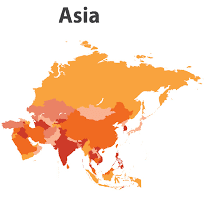
Fidelity Asian Values Plc (LON:FAS) provides shareholders with a differentiated equity exposure to Asian Markets. Asia is the world’s fastest-growing economic region and the trust looks to capitalise on this by finding good businesses, run by good people and buying them at a good price.